In today’s dynamic work environment, the design of office spaces is crucial for productivity. Modular screen workstations are a popular choice among businesses looking to enhance their workspace. According to Sarah Johnson, an office design expert with over a decade of experience, "Modular workstations offer flexibility that traditional setups can't match."
What are the benefits of modular screen workstations? One advantage is the adaptability they provide. Businesses can easily rearrange their layout as needs change. This flexibility is vital in today's fast-paced market. Additionally, these workstations can help reduce noise and distractions, fostering better focus among employees.
However, it's essential to consider the potential drawbacks. Not every modular system fits all business models. Some companies may find the initial investment challenging. Balancing flexibility with practicality is critical. Choosing the right modular solution requires careful thought. Exploring what truly works for your team is necessary. Understanding the diverse needs of employees leads to better decisions.
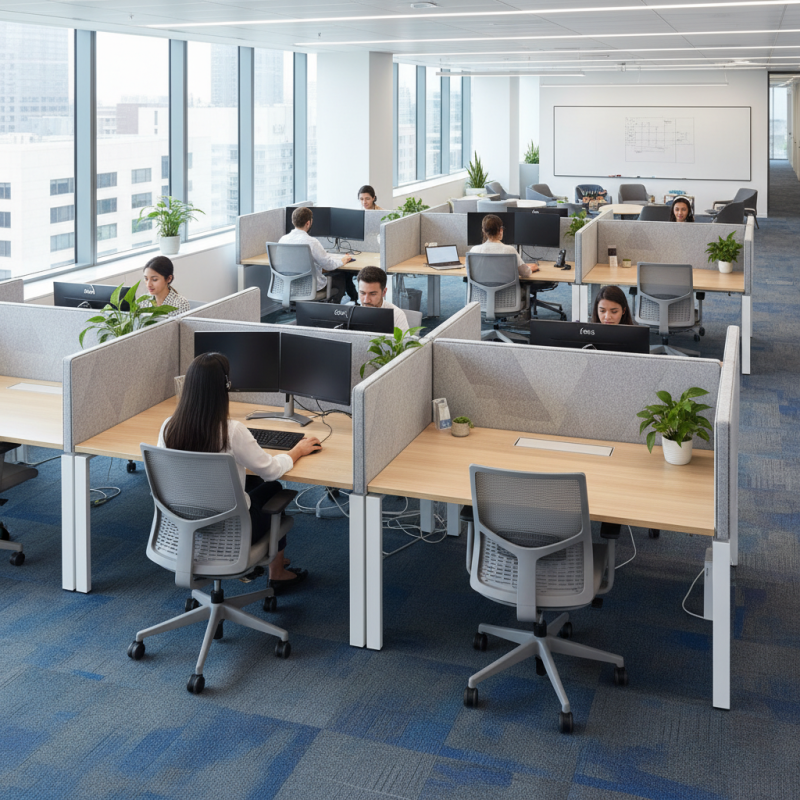
Modular screen workstations are gaining popularity for their flexibility and adaptability. Businesses are looking for solutions that can evolve with their needs. According to a 2022 report from the International Workspace Group, 80% of workers prefer environments that encourage collaboration. Modular workstations help achieve this.
Flexible layouts allow companies to easily rearrange workspace as needed. This adaptability can lead to higher employee satisfaction. In fact, 65% of employees reported improved productivity when they work in flexible spaces. The ability to adjust configurations encourages teamwork and creativity among staff.
**Tip:** When choosing a modular workstation, consider your team’s specific needs. Customizable features can boost effectiveness.
Despite the benefits, some companies face challenges in implementation. Initial costs may seem high, but investing in flexible solutions can pay off. A study by the Global Workspace Association suggests that flexible work environments can reduce real estate costs by up to 30%. Reflecting on these results can help companies make informed decisions about their workspace.
**Tip:** Regularly assess how your workspace meets your team's evolving requirements. Adjusting layouts over time is key to sustained success.
Modular screen workstations are becoming increasingly popular in modern offices. Their design fosters collaboration among team members. These workstations allow for flexible arrangements, making it easy to adjust layouts based on project needs. This adaptability encourages spontaneous discussions and brainstorming sessions, vital for creative work.
Tip: When designing your workspace, consider how different setups can impact team dynamics. Sometimes, a simple change in configuration can lead to new ideas. Involve your team in the planning process. Their input can reveal preferences and needs you might overlook.
The aesthetic of modular workstations also contributes to a productive environment. A well-designed space can inspire creativity and reduce stress. Mixing materials and colors can make the office feel more inviting. Keep in mind that not all designs will suit every culture. Test out different configurations before finalizing. Gather feedback from employees regularly to see what works best.
Tip: Use movable dividers between workstations. This allows for privacy when needed but can be easily adjusted to encourage open communication. Ensuring that your workspace evolves with your team is essential for long-term success.
In today's workspace, effective space utilization is crucial for enhancing productivity. Modular screen workstations have gained popularity for their ability to adapt to various office layouts. They efficiently segment work areas, providing privacy without sacrificing collaboration. These workstations use vertical space, making rooms feel larger.
Consider the layout of your office before choosing modular workstations. Think about how many employees will use the space daily. Assess if certain configurations can support team dynamics and foster communication. Accurately measuring the area can prevent overcrowding and ensure sufficient flow.
Another tip is to mix and match components. Combining different styles can create an inviting atmosphere. Employees may feel more comfortable in unique setups. However, be cautious not to overwhelm the space with too many elements. Striking a balance can lead to improved morale and productivity.
The cost-effectiveness of implementing modular screen workstations is compelling for many businesses. A study from the Workplace Research Foundation reveals that effective workspace design can boost employee productivity by up to 20%. Modular workstations are designed to maximize space utilization, allowing for flexible layouts that adapt as team sizes and needs change. This adaptability can lead to significant savings, especially in rapidly growing companies.
Additionally, a report from the Global Workplace Analytics highlights that companies save approximately $30,000 annually for every employee who works remotely part-time. Modular workstations facilitate this transition by providing collaborative areas and private spaces within the same environment. However, it’s crucial to consider the upfront investment. While modular solutions may appear costly initially, their long-term benefits often outweigh these expenses.
Employers must also reflect on the balance between cost and employee satisfaction. Some employees may feel cramped or distracted in an open layout. Balancing open and private environments is essential. Moreover, proper planning and understanding employee preferences are vital for optimizing these layouts. Ultimately, businesses should weigh the potential productivity gains against installation costs and employee well-being.
In today’s fast-paced work environment, promoting employee comfort is essential. Modular screen workstations can significantly enhance this aspect. They offer customizable layouts, allowing employees to create a workspace that suits their individual needs. This flexibility promotes a sense of ownership and makes the work experience more enjoyable.
Moreover, these workstations can significantly boost productivity. By providing personal space, distractions are minimized. Employees can focus better on their tasks. Natural light can also be optimized in modular designs, leading to a brighter, more inviting atmosphere. Some might overlook the importance of such environments.
However, it’s important to consider potential downsides. Not all employees may adapt well to open designs. Noise levels can be an issue, impacting focus for some individuals. Regularly gathering feedback is crucial to address these concerns. Balancing openness with privacy will enhance overall effectiveness, making feedback a necessary part of the process.
| Benefits | Description | Impact on Employees |
|---|---|---|
| Improved Privacy | Modular screens provide personal space for employees, reducing noise and distractions. | Enhances focus, leading to increased productivity. |
| Customizable Layouts | Workstations can be easily reconfigured based on team size and function. | Supports flexible working styles, promoting job satisfaction. |
| Enhanced Collaboration | Encourages interaction among team members through strategic placement. | Boosts teamwork and creativity. |
| Ergonomic Design | Designed to support healthy posture and reduce strain. | Minimizes health issues, enhancing employee well-being. |
| Increased Mobility | Workstations can be moved or adjusted easily as needed. | Allows for quick changes in work dynamics, maintaining efficiency. |
| Aesthetic Appeal | Modern designs that enhance the overall look of the workspace. | Creates a pleasant environment that improves morale. |
: They offer flexibility and adaptability, ideal for evolving business needs. They enhance collaboration and can boost employee satisfaction.
Around 65% of employees feel more productive in flexible environments. Adapting layouts encourages teamwork and creativity.
Reflect on your team’s specific needs and desired features. Customizability can improve effectiveness.
Yes, initial costs may be high. However, they can reduce real estate expenses significantly over time.
They efficiently segment work areas and utilize vertical space, creating a sense of openness in the office.
Assess how many employees will use the space. Measure accurately to prevent overcrowding and maintain flow.
Regular feedback is essential to address concerns like noise. Balancing openness and privacy is crucial for effectiveness.
Yes, mixing styles can create an inviting space. However, avoid overwhelming the area with too many elements.
They allow for customizable layouts, minimizing distractions and creating a more enjoyable work atmosphere.
Open designs may not suit everyone. Noise levels can be distracting, so finding the right balance is necessary.
Modular screen workstations offer numerous advantages that can significantly enhance business environments. What are the benefits of modular screen workstations? Firstly, their flexibility allows for easy reconfiguration, adapting to the changing needs of teams and projects. This adaptability promotes collaboration, as workstations can be arranged to facilitate communication among team members. Additionally, modular designs improve space utilization by maximizing the use of available office areas, making them ideal for both large and compact workplaces.
Moreover, implementing modular screen workstations can be cost-effective. They allow businesses to invest in scalable solutions that grow alongside their workforce without necessitating substantial renovations. Finally, these workstations contribute to employee comfort and productivity, providing personalized workspace arrangements that cater to individual preferences. Overall, modular screen workstations create an efficient, adaptable, and comfortable working environment that aligns with modern business demands.

Correo Office