Best Ergonomic Office Chair Height for Comfort and Productivity?

Time:2026-07-16 Author:Isabella
0%

Choosing the right height for your office chair is crucial. What is the ideal height for an ergonomic office chair? Studies show that proper chair height can enhance comfort and productivity. According to the Occupational Safety and Health Administration (OSHA), poor posture and improper chair adjustments can lead to musculoskeletal disorders.

The ideal chair height allows the feet to rest flat on the floor. This position promotes good circulation and reduces strain on the thighs. A report by the American Occupational Therapy Association highlights that chair height adjustments can reduce discomfort by up to 30%. Yet, many overlook this simple yet effective solution.

When selecting an ergonomic chair, consider the height range of the model. Not all chairs fit every body type. Many users find that a chair that seems perfect may not accommodate their height, leading to challenges later. It's essential to assess your desk height and body dimensions to find a suitable match. Proper alignment between your chair and desk can significantly impact your overall work experience.
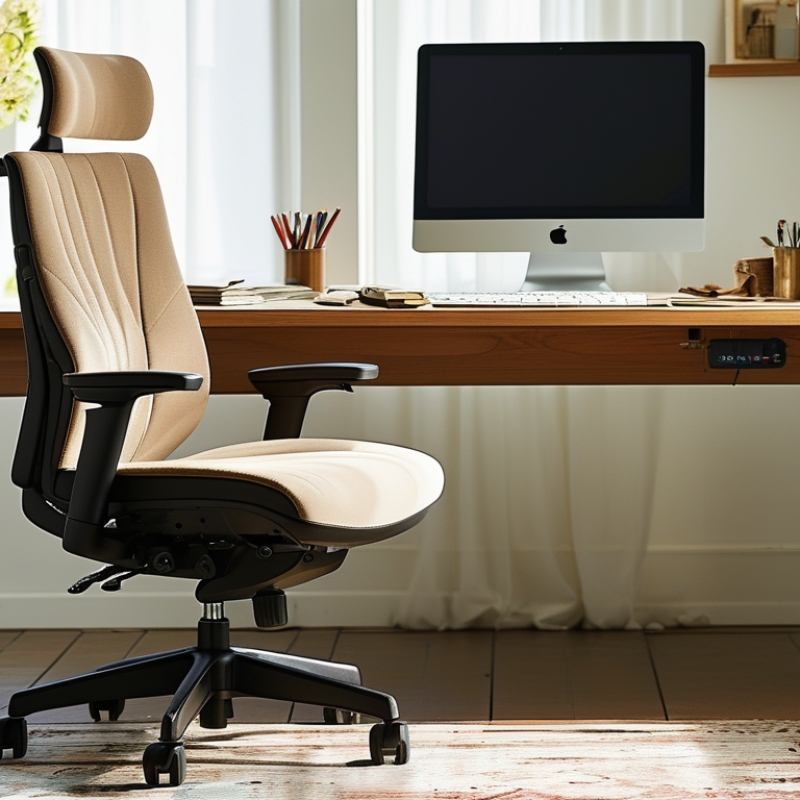
Best Ergonomic Office Chair Height for Comfort and Productivity?

Understanding Ergonomic Design Principles for Office Chairs

Ergonomic design principles are vital for creating a productive workspace. A well-designed office chair should support your body’s natural posture. The right height is essential. Your feet should rest flat on the floor, knees at a 90-degree angle. If your chair is too high or too low, it can lead to discomfort.

Consider the chair’s adjustable features. Armrests should support your arms, and lumbar support should fit the curve of your lower back. Many people overlook these aspects. This can create tension in the back and shoulders over time. The ability to adjust seat depth is another crucial factor. It allows for proper knee and thigh support.

Finding the perfect chair is often a process of trial and error. Some may need cushions for added support. Others might find they prefer a firmer seat. Reflecting on your seating experience can lead to improvements. The right ergonomic chair isn't merely an expense; it's an investment in health and productivity.

Best Ergonomic Office Chair Height for Comfort and Productivity

This chart illustrates the optimal measurements for key ergonomic chair dimensions to enhance comfort and productivity in the workplace. The adjustable height, seat depth, backrest height, and armrest height are critical for ensuring proper support during long hours of work.

Determining Ideal Seat Height for Various Body Types

When selecting an ergonomic office chair, height is pivotal for comfort and productivity. Research indicates that the ideal seat height should allow the feet to rest flat on the ground. This placement helps to reduce pressure on the thighs. According to a study from the American Journal of Industrial Medicine, a proper chair height can decrease the risk of musculoskeletal disorders by approximately 30%.

Different body types necessitate varying seat heights. For shorter individuals, a seat height of about 16 to 18 inches is recommended. For taller users, a height of 18 to 21 inches is more appropriate. The adjustment range in many ergonomic chairs typically accommodates a variation between 16 and 21 inches. This range ensures accessibility for various body shapes, enhancing overall comfort.

Improper seat height can lead to discomfort and inefficiency. Some might find themselves slumping or straining, which can hinder focus and productivity. Ergonomic assessments often reveal that 40% of office workers experience back pain due to incorrect chair settings. It’s essential to regularly evaluate chair settings and ensure they align with individual body types for optimal performance.

Adjusting Seat Height for Optimal Comfort and Productivity

Adjusting the seat height of your ergonomic office chair is crucial for both comfort and productivity. Ideally, your feet should be flat on the floor. This position supports good posture and reduces strain. If your knees are above your hips, discomfort can arise quickly. You may feel fatigued by the end of the day. Finding the right height can alleviate these issues.

Measure your height to find the optimal seat height. A common guideline suggests a height between 16 to 21 inches from the ground. Test different adjustments while seated. Pay attention to how your body feels during the day. If you often shift your weight or fidget, the height may need further tweaking.

Not everyone realizes the impact of minor adjustments. Sometimes, a slight change can lead to significant comfort gains. It's normal to experience trial and error in this process. Keep an open mind and be patient. Adjusting your chair correctly creates a workspace that enhances focus and reduces fatigue. Adapting your environment to your needs is a step towards better productivity.

Impact of Chair Height on Posture and Health

The height of an ergonomic office chair significantly influences posture and overall health. An appropriate chair height can help maintain a neutral spine position. When seated, feet should rest flat on the ground, and knees should be at a 90-degree angle. Many people overlook this simple adjustment. As a result, they sit in chairs that are either too low or too high, causing stress on the back and limbs.

Poor chair height can lead to discomfort and long-term health issues. Regularly adjusting your chair can minimize strain on the neck and shoulders. It’s easy to forget about seat height as we become engrossed in work. This oversight can create lasting damage to spinal alignment. Make it a habit to check your chair settings regularly.

Listeners often share their experiences of discomfort. They realize that what seemed like a minor adjustment could yield significant results in comfort. Experimenting with different heights can be enlightening. Every individual is unique, and what works for one may not work for another. Pay attention to how your body responds after changes. Stay mindful of your seating position, and don’t hesitate to make adjustments throughout the day.

Tips for Selecting the Right Ergonomic Chair for Your Workspace

When choosing an ergonomic chair, proper height adjustment is crucial for comfort and productivity. According to a study by the Occupational Safety and Health Administration, incorrect chair height can lead to musculoskeletal disorders. It is essential to find a chair that allows your feet to rest flat on the ground. Ideally, your knees should form a 90-degree angle when seated.


To achieve the best ergonomic setup, consider these tips. Adjust the seat height so your elbows are at a 90-degree angle when typing. If the chair is too high, your shoulders may hunch. A chair that is too low can lead to poor posture. Always test the chair before purchasing, ensuring it supports your lower back adequately.


Many recommend using a chair with adjustable lumbar support. Great lumbar support can reduce discomfort during long work hours. Keep in mind that your ideal height might change based on various factors, like shoe choice or workspace changes. Regularly assess your seating position for any discomfort that might arise and make adjustments as needed.

FAQS

: What is the importance of ergonomic design in office chairs?

: Ergonomic design supports natural posture, enhancing productivity and comfort during work.

How should an office chair be adjusted for proper height?

The chair height should allow feet to rest flat on the floor with knees at a 90-degree angle.

What features should I look for in an ergonomic chair?

Look for adjustable armrests, lumbar support, and seat depth for complete body support.

How does improper chair height affect productivity?

Incorrect height can cause discomfort, slumping, and hinder focus, reducing work efficiency.

What seat height is recommended for shorter individuals?

A seat height of 16 to 18 inches is advisable for those who are shorter.

Why is lumbar support essential in an office chair?

Good lumbar support fits the lower back curve, reducing discomfort during extended sitting.

Can seat height change based on different factors?

Yes, factors like shoe choice and workspace changes may affect your ideal seat height.

How often should you assess your seating position?

Regularly check for discomfort and make adjustments to ensure optimal seating conditions.

What are common consequences of poor ergonomic chair selection?

Poor choices can lead to back pain in 40% of office workers, affecting overall health.

Is finding the right ergonomic chair a straightforward process?

No, it often involves trial and error, reflecting on personal comfort during use.

Conclusion

When considering "What is the ideal height for an ergonomic office chair," it is essential to understand the core principles of ergonomic design tailored to individual body types. The ideal seat height varies based on height and leg length, typically allowing the feet to rest flat on the ground while enabling comfortable thigh support. Adjusting the seat height appropriately can significantly enhance comfort and productivity by promoting better posture.

Moreover, the impact of chair height on overall health cannot be understated. An incorrectly positioned chair can lead to discomfort and musculoskeletal issues over time. To find the right ergonomic chair for your workspace, focus on features that allow for height adjustment, as well as consider the chair's overall support and fit to your body. Implementing these principles can contribute significantly to a healthier and more productive working environment.

Isabella

Isabella

Isabella is a dedicated marketing professional with a sharp focus on driving brand growth and engagement through strategic content creation. With an extensive background in digital marketing, she combines her passion for storytelling with her keen understanding of industry trends to deliver......