Choosing the right desk for your workspace can be challenging. One essential aspect is understanding the materials used. Many people wonder, "What is the difference between veneer and solid wood desks?" This question is important when making an informed decision. Solid wood desks are made from single pieces of timber. They offer durability and a classic aesthetic. Conversely, veneer desks consist of a thin layer of real wood over composite materials. They can mimic the look of solid wood but may lack the same longevity.
Selecting between these two options requires careful consideration. Solid wood has a premium feel, which some may prefer. However, veneer can be more affordable and available in various styles. It's important to reflect on your personal preferences and lifestyle needs. Are you looking for a long-term investment or a stylish piece for temporary use? Each choice has its pros and cons. The right desk should fit your needs and work environment, contributing to your overall productivity and comfort. Keep this in mind as you weigh your options.
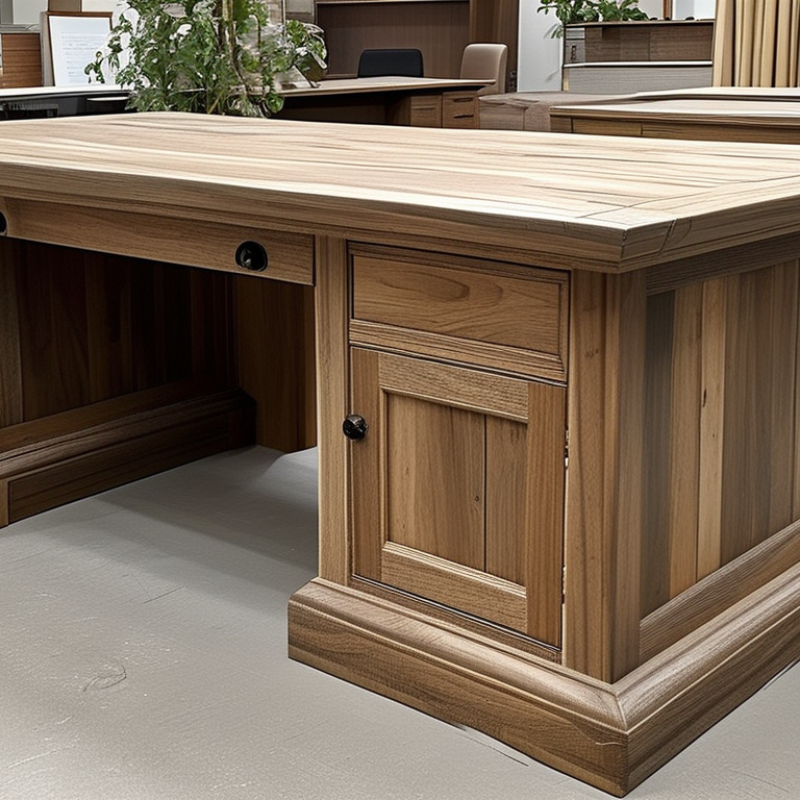
Understanding the Basics: Veneer vs. Solid Wood Desks
When choosing between veneer and solid wood desks, it’s essential to understand their fundamental differences. Veneer desks consist of thin slices of real wood glued onto a core of less expensive materials. This can give a similar look to solid wood, but at a lower cost. They are often more resistant to warping and can be aesthetically appealing. However, the feel is different; veneer lacks the warmth and depth of solid wood.
On the other hand, solid wood desks offer durability and a unique grain pattern. Each piece of solid wood tells a story through its knots and imperfections. This gives every desk character, making it a personal addition to your workspace. Yet, these desks can be heavier and more expensive. Over time, solid wood may require maintenance like polishing to preserve its beauty.
Think about how you use your desk. A veneer desk might be practical for a busy office environment. But if you value craftsmanship, a solid wood desk may be worth the investment. Remember, each option has its pros and cons. Reflect on your space, style, and needs before making a decision.
Evaluating Aesthetics: Style and Design Considerations
When choosing between veneer and solid wood desks, aesthetics play a crucial role. Solid wood often exudes a timeless elegance, showcasing natural grains and unique knots. Each desk tells a story, reflecting the beauty of the tree it came from. The warmth of solid wood can make a space feel inviting. However, it may also come with imperfections, like scratches or warping, which might detract from its overall look.
On the other hand, veneer desks can offer sleek designs with vibrant finishes. They are usually more uniform in appearance, appealing to a modern aesthetic. Veneer can mimic the look of solid wood while being lighter and less expensive. This can be attractive for those on a budget. Yet, veneers may chip or peel easily, challenging their long-term reliability. Consider how these surface qualities will align with your style.
Both options provide different visual impressions and durability. Reflecting on your workspace environment is essential. A desk should not only match your style but also function well over the years. Balancing aesthetics with practicality can lead you toward the right choice. Think about how you use your desk daily. What fits your lifestyle best?
Durability and Longevity: Comparing Material Resilience
When comparing veneer and solid wood desks, durability is a key consideration. Solid wood offers superior longevity, often lasting decades with proper care. It is less prone to damage from wear and tear. Over time, solid wood can show age beautifully. Veneer, while stylish, has its limitations. It often consists of thin wood layers glued onto a core material. This makes it more susceptible to scratching and water damage.
In medium to high humidity environments, veneer can warp or peel away. Solid wood, on the other hand, tends to adapt better to environmental changes. However, solid wood desks require significant upkeep, such as periodic refinishing. Choosing between these materials also involves understanding your lifestyle. If you frequently relocate, a veneer desk may serve you better due to its lighter weight. In contrast, a solid wood desk provides a sense of permanence in your workspace.
Reflecting on material choices encourages deeper contemplation. A beautiful veneer may initially attract you, but consider its long-term performance. Solid wood has a timeless appeal but can be costly. Weight and mobility issues may also arise with a heavy wooden desk. Ultimately, being clear about your use and environment is crucial for making the right decision.
Cost Analysis: Budgeting for Veneer vs. Solid Wood Desks
When it comes to selecting a desk, understanding the cost dynamics between veneer and solid wood is essential. A recent report indicates that veneer desks can range from $200 to $800, significantly lower than solid wood models, which often start around $800 and can exceed $2,000. This price disparity arises from the materials used. Veneer is created by applying a thin layer of wood over less expensive materials, while solid wood comes from a single piece of timber. This difference in sourcing impacts budgets, especially for those aiming for stylish yet affordable office furniture.
Furthermore, veneer desks may present hidden costs. They often require more careful handling to avoid damage from heat or moisture. Repairing a veneer desk can be challenging and sometimes more expensive than expected. In contrast, solid wood desks, despite their high upfront cost, tend to offer longevity. A well-cared-for solid wood desk can last for decades. According to industry experts, investing in solid wood is often seen as more sustainable in the long run. Many buyers underappreciate this aspect when determining their budget.
Ultimately, the decision hinges on personal priorities and financial constraints. If affordability and aesthetics are paramount, veneer may be the suitable choice. However, ongoing costs and longevity should also be factored into the equation. Recognizing this balance can prevent regret over a desk purchase.
Environmental Impact: Sustainability in Desk Material Choices
When considering desk materials, the environmental impact of your choice is crucial. Solid wood desks often come from sustainably managed forests. This allows for a healthier ecosystem. The process of using solid wood can be more environmentally friendly than many realize. However, not all wood is sourced responsibly. It’s essential to check for certifications that indicate sustainable practices.
Veneer desks, on the other hand, are made by gluing thin slices of wood onto a core material. This method makes better use of timber resources. It also reduces waste and can lower deforestation rates. On the downside, veneer may not last as long as solid wood. If damaged, repairing it can be challenging. Choosing the right material requires careful consideration of both the benefits and the potential drawbacks.
Exploring both options encourages critical thinking about sustainability. Think about your usage patterns, aesthetic preferences, and environmental priorities. What resonates most with you? The ideal choice balances beauty with responsibility. Reflect on your needs and the broader impact of your desk.
FAQS
: Think about the style you want. Solid wood offers natural beauty with unique details.
Yes, they can have imperfections like scratches or warping. These flaws may impact their overall appeal.
Veneer desks can have sleek designs and vibrant finishes. They are lighter and often more affordable than solid wood.
They may chip or peel easily, affecting their long-term use. Be cautious of how they handle daily wear.
Veneer desks typically range from $200 to $800, while solid wood desks start around $800 and can exceed $2,000.
They require careful handling and can be expensive to repair if damaged. Consider this when budgeting.
Yes, solid wood can last for decades. Many underestimate its longevity and sustainability over time.
Balance your budget with aesthetics and durability. Think about your daily usage and lifestyle needs.
Absolutely. Not considering long-term costs may lead to regret, especially if repairs become necessary.
Both must match your style and work needs. A well-functioning desk also enhances the workspace atmosphere.
Conclusion
When deciding between veneer and solid wood desks, it’s essential to understand what is the difference between veneer and solid wood desks. Veneer consists of thin layers of real wood glued onto a core material, while solid wood is made from a single piece of timber, offering distinct advantages and disadvantages.
Evaluating aesthetics reveals that solid wood often provides a more classic and unique appearance, whereas veneers can allow for more design versatility at a lower cost. In terms of durability, solid wood typically outlasts veneer due to its resilience, though high-quality veneers can still offer respectable longevity. From a budget perspective, veneers are generally more affordable, making them attractive for cost-conscious buyers. Finally, considering environmental impact, solid wood's sustainability depends on sourcing practices, while veneers can be produced more resource-efficiently when derived from responsibly managed forests.

 Correo Office