Choosing the right type of solid wood for executive desks is crucial. A well-crafted desk can reflect professionalism and personality. According to Thomas Jeffries, a renowned furniture designer, “A good desk is not just a work surface; it’s a statement of intent.” This insight is vital when considering options in solid wood.
When exploring how to choose the best solid wood for executive desks, one must consider grain patterns and durability. Different woods offer unique aesthetics and functional qualities. For instance, oak is known for its strength, while walnut provides a luxurious finish. Reflecting on personal needs and workspace aesthetics is essential.
However, the selection process can feel overwhelming. It's easy to get caught up in trends rather than practicality. Many forget that a solid desk should last for years. Asking questions about wood sourcing and sustainability is important. Balancing beauty, function, and ethical considerations is key to making the right choice.
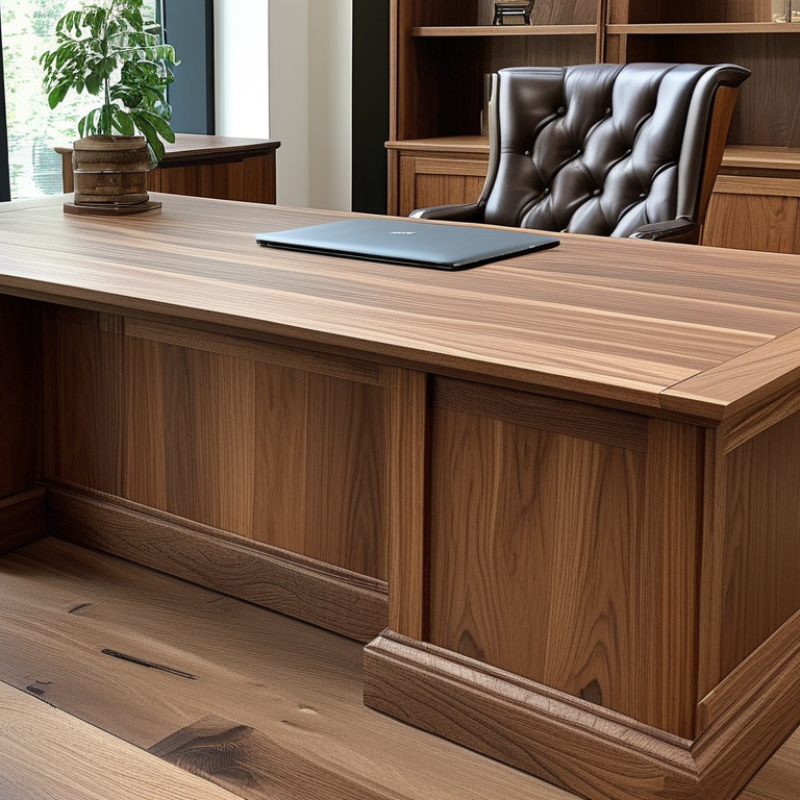
Types of Solid Wood Suitable for Executive Desks
When choosing solid wood for executive desks, it's essential to consider the types that offer durability and aesthetic appeal. Hardwoods such as oak, walnut, and cherry are often favored. Oak, with a Janka hardness rating of 1,290, provides excellent durability. Walnut, prized for its rich color and grain, offers a Janka rating of 1,010. Cherry is softer, with a rating of 950, but its unique aging process adds character.
Tips: Research the wood’s grain patterns. Some woods may have variations that influence the final appearance of the desk.
Maple is an underrated option. With a hardness rating of 1,450, it resists scratches effectively. However, its lighter color may not suit all office themes. While some may lean towards the traditional, exploring alternatives can yield surprising results.
Tips: Always view samples in natural light. This can alter your perception of the wood’s tone and pitch.
Consider sourcing reclaimed wood for a sustainable choice. It not only adds charm but also carries history. However, be cautious about hidden defects. Some reclaimed pieces may require more maintenance, which could impact longevity.
Ultimately, the best solid wood balances visual appeal, strength, and sustainability.
Factors to Consider When Selecting Solid Wood Quality
Choosing solid wood for an executive desk is a critical decision. The type of wood impacts both aesthetics and durability. When evaluating wood quality, consider factors like grain patterns, color, and density. Different species offer unique characteristics. For example, oak is robust, with prominent grains. Meanwhile, walnut provides a rich, dark hue that often symbolizes sophistication.
Another important factor is sustainability. Ensure the wood is sourced responsibly. This adds value and supports eco-friendly practices. It’s essential to consider the finish as well. A high-quality finish enhances the wood's natural beauty and protects it from wear. Look for non-toxic finishes for a safer workspace.
Lastly, examine the joinery and craftsmanship. Poor construction can undermine the desk's longevity. Ask about the manufacturing process. This reveals much about the desk's potential quality. While aesthetics and durability matter, understanding the source and craftsmanship will guide you better. Pay attention to these details as they contribute significantly to your purchase's overall value.
Durability and Maintenance of Various Solid Wood Options
When selecting solid wood for an executive desk, durability is essential. Different wood types offer varying resistance to wear and tear. Oak, for example, is known for its strength. It withstands daily use well. However, softer woods, like pine, can dent and scratch easily. It's crucial to assess how much wear your desk will face.
Maintenance plays a significant role in the longevity of solid wood. Regular cleaning using gentle products helps maintain the wood’s finish. Applying a wax or polish every few months can protect the surface. However, some woods require more upkeep. Mahogany, while beautiful, may need frequent maintenance to avoid fading. Potential stains can be challenging to remove, prompting a need for caution.
Additionally, consider the climate where the desk will be used. Humidity can affect wood integrity. Insufficient humidity may cause cracking, while excessive moisture can lead to warping. Thus, understanding local conditions is vital. Ultimately, the choice of solid wood goes beyond aesthetics. It involves a deeper understanding of durability and ongoing care.
How to Choose the Best Solid Wood for Executive Desks? - Durability and Maintenance of Various Solid Wood Options
| Wood Type |
Durability Rating |
Maintenance Level |
Common Uses |
| Oak |
High |
Low |
Tables, Cabinets |
| Maple |
Moderate |
Medium |
Desks, Furniture |
| Cherry |
High |
Low |
Cabinets, Desks |
| Walnut |
Very High |
High |
Luxury Furniture |
| Teak |
Very High |
Low |
Outdoor and Indoor Furniture |
Aesthetic Appeal: Matching Wood Types with Office Decor
When selecting solid wood for executive desks, aesthetic appeal plays a crucial role. The wood type you choose can complement your office decor significantly. A 2022 report from the American Wood Council indicates that oak, cherry, and walnut are among the most popular choices in office settings. Each type offers a distinct character. Oak, for example, features a pronounced grain pattern while cherry boasts a warm tone that deepens over time.
These wood types can affect the overall ambiance of your workspace. A study from the International Journal of Environmental Research found that natural wood elements in office design improve mood and productivity. However, achieving a cohesive look can be tricky. The finish of the wood, especially, should align with your office's style, whether it’s modern minimalism or traditional elegance.
Choosing the right wood isn’t purely about looks. Different woods come with varying durability and maintenance needs. For example, while walnut is stunning, it may require more upkeep than oak. Reflecting on these factors is vital for a balanced decision. Many overlook function in favor of aesthetics, but both are crucial. The right wood should harmonize with your decor while meeting practical demands.
Budget Considerations for Solid Wood Executive Desks
When considering a solid wood executive desk, budget plays a crucial role. The price can vary widely depending on the wood type and craftsmanship. High-quality woods like mahogany or walnut often come at a premium. It’s essential to set a clear budget before exploring options. Knowing your limits will help narrow down choices efficiently.
Investing in an executive desk isn't just about aesthetics; it impacts functionality. Solid wood desks can last for decades with proper care. However, lower-cost options may skimp on quality. Be wary of desks that look good but use inferior materials. It’s a classic case of “you get what you pay for.”
Many people overlook the importance of resale value. A well-made solid wood desk can retain its value over time. Weigh this aspect when evaluating your budget. Consider furniture that might fit your style and workspace. Think about its potential for future use. Would it suit your needs down the line? These reflections can guide you toward a more informed purchase.
FAQS
: Hardwoods like oak, walnut, and cherry are popular choices. They offer durability and aesthetic appeal.
Hardness impacts durability. For instance, oak has a high Janka rating, making it very durable.
Maple is scratch-resistant and durable. Its lighter color may not fit every office style.
Grain patterns can vary. Always view samples in natural light to understand their appearance better.
Sustainability adds value. Responsibly sourced wood supports eco-friendly practices, which is essential.
A high-quality finish protects the wood and enhances its natural beauty. Non-toxic finishes are safer.
Poor construction can reduce a desk’s longevity. Investigating joinery reveals much about its quality.
A well-made desk can retain its value over time. Consider how it might fit your future needs.
Set a clear budget before shopping. This helps narrow down your choices effectively while avoiding low quality.
Yes, reclaimed wood can have hidden defects. Such pieces may need more maintenance to last effectively.
Conclusion
When considering how to choose the best solid wood for executive desks, it's essential to understand the various types of solid wood that can complement an office environment. Common options include oak, maple, and walnut, each offering distinct qualities. Factors such as wood quality, durability, and maintenance requirements should be carefully evaluated, as these will impact the longevity of the desk. It's also important to consider the aesthetic appeal of the wood type in relation to the overall office decor, ensuring a harmonious design.
Moreover, budget considerations play a critical role in the selection process. Solid wood desks can vary significantly in price, so it's vital to balance quality and appearance with financial constraints. By taking into account these factors, one can make a well-informed decision that meets both functional needs and stylistic preferences when selecting the ideal solid wood for an executive desk.

 Correo Office