Leather office sofas add elegance and comfort to any workspace. However, they require proper care to maintain their appearance and longevity. Understanding how to clean and maintain leather office sofas is vital for preserving their quality. Regular upkeep prevents wear and tear, ensuring they remain a stunning focal point in your office.
Cleaning leather sofas involves specific techniques and products tailored to preserve the material. Using the wrong cleaners can lead to damage or discoloration. Therefore, it's essential to know your sofa's leather type before applying any cleaning solution. Many people overlook the importance of routine maintenance, which can lead to bigger issues over time.
For instance, neglecting spills or dust can result in stains that are difficult to remove. Regular dusting helps maintain the sofa's texture and appearance. Additionally, conditioning the leather protects it from drying or cracking. While these steps seem simple, many tend to forget them in their busy schedules. Care for your leather sofas, not just for aesthetics, but for a sustainable office environment.
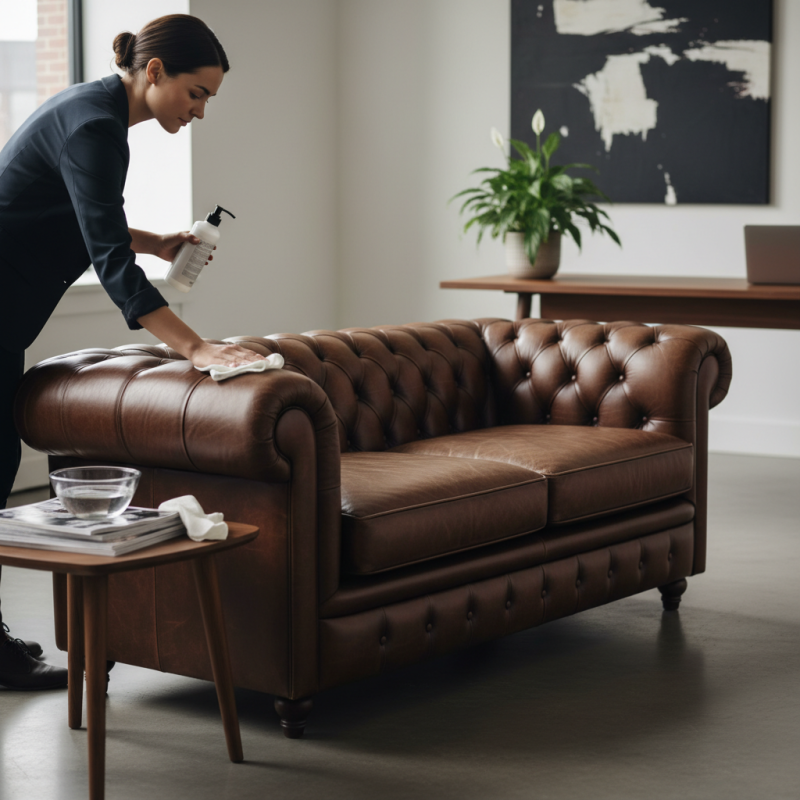
Choosing the right cleaning products for leather sofas is crucial for maintenance. Leather is sensitive and requires specific care. Look for pH-balanced cleaners. Avoid products that contain alcohol or harsh chemicals. These can damage the leather's surface.
Consider natural options like a mixture of mild soap and water. Test it on a hidden area first. Too much water can lead to discoloration or stiffness. Use a soft cloth for application. Gently wipe the surface and avoid scrubbing.
Conditioning is essential too. Use a leather conditioner suitable for your sofa type. It keeps the material supple and prevents cracking. Apply it every few months. Monitor the sofa for any signs of wear. When it comes to cleaning, always err on the side of caution. Less is more, and sometimes an overzealous approach can cause more harm than good.
| Cleaning Method | Recommended Products | Frequency of Cleaning | Additional Tips |
|---|---|---|---|
| Dusting | Microfiber Cloth | Weekly | Use a soft brush attachment on a vacuum if necessary. |
| Spot Cleaning | Leather Cleaner Spray | As needed | Test the cleaner on a hidden area first. |
| Conditioning | Leather Conditioner | Every 3-6 months | Apply in circular motions for even coverage. |
| Deep Cleaning | Professional Cleaning Service | Once a year | Consider timing based on use and wear. |
| Stain Removal | Specialized Stain Removal Kit | As needed | Work quickly to prevent stains from setting. |
Preparing your leather sofa for cleaning requires careful attention. Start by removing loose debris, such as crumbs and dust. Use a soft vacuum attachment or a gentle brush. Be thorough, as this helps maintain the leather's texture.
Next, assess the leather's condition. Check for cracks or discoloration. If your sofa has deep stains or damage, consider consulting a professional. Self-cleaning can sometimes lead to more harm than good.
Tips: Use a specialized leather cleaner. Always perform a patch test on an inconspicuous area. Remember, not all cleaners are suitable for leather. A homemade solution of mild soap and water may suffice but test carefully.
Before applying any solution, gather towels and soft cloths. This preparation makes the process smoother. Avoid soaking the leather; a damp cloth is often enough. Timing is key; let the leather air dry naturally to avoid any warping.
Cleaning and maintaining leather office sofas requires a thoughtful approach. Leather is durable, but it can wear down without proper care. The right cleaning technique can extend its life significantly.
Begin by dusting the sofa with a soft, dry cloth. This removes debris that can scratch the surface. Next, mix a solution of mild soap and water. Use a damp cloth to gently wipe the leather. Be cautious with excess water; soaking can damage the material. Industry experts recommend cleaning your leather sofa every 3-6 months.
After cleaning, apply a leather conditioner to keep the material supple. Conditioning helps to prevent cracking and drying. Look for products with natural oils. They enhance the leather's shine and resilience. A recent study shows that proper conditioning can maintain leather for up to five years longer.
Tip: Always test any solution on a hidden area first. This prevents unwanted staining. Avoid direct sunlight; it can cause fading. Small, consistent actions lead to big results. Regular maintenance saves costly repairs down the line. The process is time-consuming, but neglect can lead to irreversible damage.
Leather office sofas offer elegance and comfort, but they need regular care to maintain their appeal. According to the Leather and Hide Council, proper maintenance can extend the lifespan of leather furniture by up to 20 years. Regular dusting with a soft, dry cloth helps prevent dirt build-up. Using a damp cloth occasionally can address stubborn stains. However, it's essential to avoid excessive moisture, as it could lead to mold growth.
Conditioning leather with a suitable product every six months keeps it supple. This step enhances the material's resilience to wear and tear. A recent survey indicated that over 70% of leather damage is due to lack of conditioning. It's easy to overlook this, but neglect can lead to cracks and discoloration. Additionally, placing leather sofas away from direct sunlight protects them from fading.
While cleaning, be cautious with harsh chemicals, as they can cause irreversible damage. Regular checks for scratches or scuffs allow timely repairs, preserving cosmetic appearance. If you notice significant wear, don't hesitate to consult professionals. Reflecting on these details can help even the most devoted sofa owners realize areas for improvement in their maintenance routine.
Dealing with stains and scuffs on leather office sofas requires a careful approach. Start by identifying the stain type. For light spills, a damp cloth can work wonders. Gently blot the area without rubbing. Rubbing can spread the stain. For tougher stains, consider a leather cleaner. Use it sparingly, following product instructions. Test a small area first. This ensures no damage occurs.
Scuffs can also be problematic. A simple solution is a bit of olive oil or a dedicated leather conditioner. Apply a small amount on a soft cloth. Rub it over the scuffed area in circular motions. This can help restore the leather’s natural shine. If the scuff remains, consult a professional. Sometimes, DIY solutions can lead to more harm than good.
It’s essential to establish a regular cleaning routine. Over time, neglect can lead to deeper stains or cracks. Regular maintenance prevents future issues. Be mindful of how the sofa is used. Frequent use can alter its appearance. Reflect on this, and adjust your cleaning methods as needed.
: Look for pH-balanced cleaners. Avoid ones with alcohol or harsh chemicals.
Always test on a hidden area first. This helps prevent unwanted staining.
Clean it every 3-6 months for optimal care and longevity.
Use water cautiously. Too much can cause discoloration or stiffness.
Conditioning keeps leather supple and prevents cracking. It’s essential for maintenance.
Use a soft cloth. Gently wipe the surface without scrubbing.
Yes, less is more. Overzealous cleaning can cause more harm than good.
Use a conditioner with natural oils to enhance the leather's shine.
Neglect can lead to irreversible damage, making repair costly and difficult.
Yes, avoid direct sunlight to prevent fading and damage to the leather.
To effectively learn how to clean and maintain leather office sofas, it is essential to start by choosing the right cleaning products specifically designed for leather. Preparing your leather sofa for cleaning involves removing any loose debris and dust to prevent damage during the process. The step-by-step cleaning process includes using a damp cloth, applying a leather cleaner, and conditioning the material to preserve its quality.
Regular maintenance tips, such as keeping the sofa out of direct sunlight and using a leather conditioner periodically, ensure that the leather remains supple and protected. Additionally, knowing how to deal with stains and scuffs promptly can help extend the life of your leather office sofa, keeping it looking pristine for years to come. Following these guidelines will aid in maintaining the elegance and functionality of your office space.

Correo Office