In today’s workplace, maximizing productivity is essential. Many organizations focus on technology and management strategies, yet one crucial element often overlooked is seating. Why is ergonomic seating important for productivity? Studies show that well-designed seating can enhance comfort and reduce fatigue. According to a report by the American Psychological Association, improper seating can lead to increased absenteeism by up to 20%.
When employees experience discomfort from poor seating, their focus diminishes. The same report indicates that implementing ergonomic designs can improve overall productivity by as much as 17%. Additionally, a 2018 study published in the Journal of Occupational and Environmental Medicine found that companies investing in ergonomic seating experience a significant return on investment. However, not all organizations prioritize ergonomic assessments, resulting in missed opportunities.
Understanding the impact of ergonomics is crucial. While some companies see the need, others might resist change. The reality is, the right seating can transform an employee's work life. Making ergonomic choices not only enhances productivity but also fosters a healthier work culture. It's time to ask: how can we better prioritize ergonomic solutions?
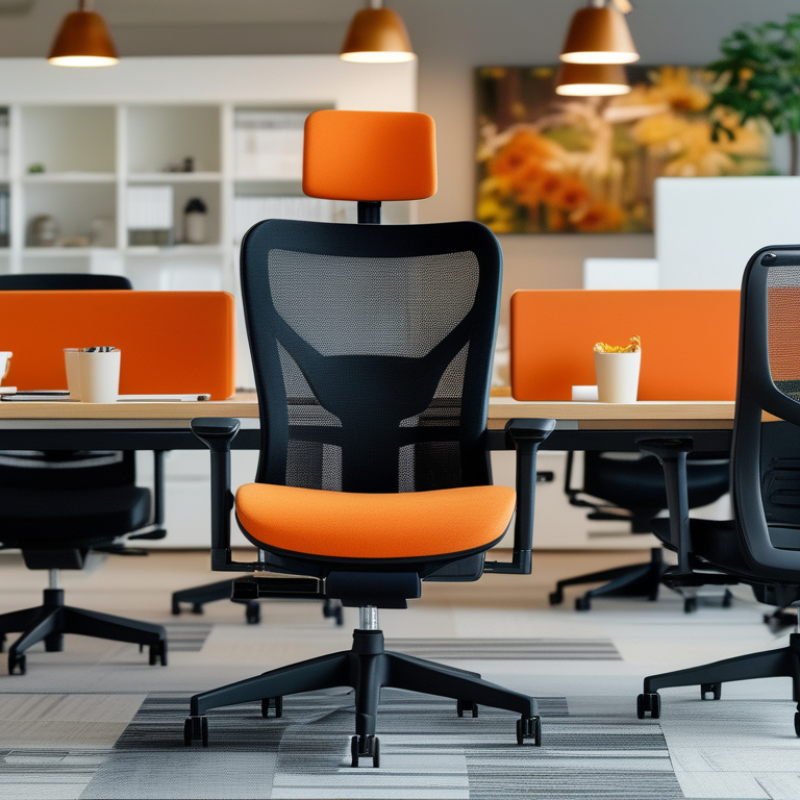
Importance of Ergonomic Seating in the Workplace
In today’s workplace, ergonomic seating is vital for enhancing productivity. Studies show that 80% of workers report discomfort from their seating. This discomfort leads to reduced focus and efficiency. A solid ergonomic chair supports the spine and improves posture. Proper seating can decrease fatigue, allowing employees to work for longer periods without interruptions.
Research from the American Chiropractic Association demonstrates that ergonomic workspaces can increase productivity by up to 25%.
When choosing ergonomic seating, look for adjustable features. An ergonomic chair should support different body types and preferences. A chair that can adjust to your height is essential. It allows your feet to rest flat on the floor. Your knees should be at a 90-degree angle, promoting optimal circulation.
Tip: Take short breaks every hour. Even minor stretches can alleviate muscle tension. Remember, not all chairs labeled “ergonomic” are effective. It's crucial to assess your needs before investing. Sometimes the best solution might require a little trial and error. Each body is unique; what works for one person may not work for another.
Understanding the Link Between Comfort and Productivity
Ergonomic seating plays a vital role in enhancing workplace productivity by directly influencing comfort levels. A study from the Global Ergonomics Institute revealed that employees using ergonomic chairs report a 25% increase in task efficiency. This means that with the right support, workers can focus better and complete tasks faster. When employees feel comfortable, they are less likely to experience distractions from discomfort.
Moreover, discomfort can lead to absenteeism, reducing overall productivity. The Occupational Safety and Health Administration (OSHA) reported that musculoskeletal disorders cost employers over $20 billion annually. Investing in ergonomic seating is not just about comfort; it’s a strategic decision to enhance productivity. As employees spend hours at their desks, the impact of proper seating cannot be overlooked.
While many companies acknowledge the importance of ergonomic solutions, some still overlook it. Reports suggest that up to 60% of workers experience discomfort from poor seating choices. This can impede collaboration and creativity in work environments. Recognizing the connection between comfort and productivity is essential. An uncomfortable workplace can lead to a continuous cycle of reduced performance, stress, and dissatisfaction. It’s time for organizations to reflect on their seating arrangements and make necessary changes.
Why is Ergonomic Seating Crucial for Boosting Productivity?
This chart illustrates the correlation between different types of seating and productivity levels among office workers. The data reflects survey results measuring productivity based on seating comfort levels.
Key Features of Ergonomic Chairs That Enhance Focus
Ergonomic chairs are designed to provide support and comfort. This helps maintain good posture, reducing strain on the back and neck. A well-structured chair encourages movement, which is essential for long hours of work. When users are comfortable, they tend to focus better. These chairs play a critical role in enhancing workplace productivity.
Key features of ergonomic chairs include adjustable height, lumbar support, and breathable materials. The ability to adjust seat height ensures each user finds their ideal position. Good lumbar support prevents slouching, allowing for prolonged sitting without discomfort. Breathable fabrics help regulate temperature, keeping users comfortable throughout the day. Simple adjustments can make significant differences in how one feels while working.
Despite these benefits, many overlook the need for ergonomic seating. Some feel that an aesthetic chair suffices, missing the crucial support features. There is often a misconception that comfort means less productivity. However, investing in proper seating can lead to better focus and reduced fatigue. Reflecting on these points can help individuals make informed choices for their workspace.
Why is ergonomic seating crucial for boosting productivity? - Key Features of Ergonomic Chairs That Enhance Focus
| Feature |
Description |
Impact on Productivity |
| Adjustable Height |
Allows users to set the chair to their optimal height, ensuring feet are flat on the ground. |
Promotes better posture, reducing fatigue and increasing focus. |
| Lumbar Support |
Provides support for the lower back, keeping the spine aligned. |
Lowers risk of back pain, enhancing comfort and productivity levels. |
| Seat Depth Adjustment |
Allows the seat to be adjusted forward or backward to fit the user's thighs. |
Enhances circulation and comfort during long hours of sitting. |
| Armrest Adjustment |
Enables users to adjust armrests to reduce shoulder strain. |
Facilitates better typing posture and decreased muscle tension. |
| Swivel Base |
Allows users to pivot easily to reach different areas of their workspace. |
Increases efficiency by reducing awkward movements. |
Impact of Poor Seating on Health and Work Efficiency
Poor seating can significantly impact health and work efficiency. Many individuals spend long hours sitting at their desks. This can lead to various health issues, including back pain and poor posture. If the chair lacks proper support, it can strain muscles and joints. This discomfort often distracts employees from their tasks. Consequently, productivity suffers.
To mitigate these issues, it's essential to choose the right seating. Select chairs that support the lower back. Adjustable height is also necessary for a proper desk alignment. Remember, comfort is key. A well-fitted chair can enhance focus. Consider incorporating short breaks to stretch and move. This simple practice can boost circulation and relieve tension.
Mind your posture while seated. Keep feet flat on the floor. Your back should rest against the chair. Practice adjusting your seat throughout the day. Awareness of your seating position can lead to better habits. Reflect on how often you adjust your chair or take breaks. Small changes can yield significant benefits.
Tips for Choosing the Right Ergonomic Seating Solutions
Choosing the right ergonomic seating solutions is vital for enhancing productivity. Comfort is key, but not every chair labeled as ergonomic meets this standard. Look for a chair that supports your lumbar region. A well-designed backrest ensures proper posture while you work. Adjustable features are essential. Seat height, armrests, and back angle should fit your body.
Consider your work environment. If you spend hours at a desk, choose a chair with quality cushioning. Breathable materials can help regulate temperature during long sessions. Test various options to find what truly feels right. Remember, even an ergonomic chair needs adjustments over time. You might need to revisit your choices as your work habits evolve.
Personalization is crucial. Everyone's body is different. What works for one person may not work for another. Some may need firmer support, while others prefer more softness. Pay attention to any discomfort. It could signal the need for a different choice. Ergonomic seating isn’t one-size-fits-all. Experiment and adapt until you find the best fit for your needs.
Conclusion
Ergonomic seating plays a vital role in enhancing workplace productivity by ensuring that employees are comfortable and supported during their work hours. The connection between comfort and productivity is clear; when workers are seated properly, they experience less fatigue and distraction, allowing them to maintain focus on their tasks. Key features of ergonomic chairs, such as adjustable height, lumbar support, and armrests, contribute significantly to improving concentration and overall work efficiency.
On the other hand, poor seating can lead to a range of health issues, including chronic pain and reduced mobility, which ultimately diminish efficiency and morale. This underscores the importance of choosing the right ergonomic seating solutions for a productive environment. In conclusion, understanding "why is ergonomic seating important for productivity" is essential for both employers and employees looking to optimize performance and well-being in the workplace.

 Correo Office