Maintaining the right humidity levels for solid wood furniture is essential for its longevity. According to expert Mark Johnson, "Wood is sensitive to its environment; keeping it stable is key." This stability helps prevent warping, cracking, and splitting, issues that can compromise the beauty and integrity of your furniture.
Solid wood can easily absorb or release moisture, leading to significant changes. It's crucial to monitor indoor humidity regularly. Ideally, humidity levels should range between 40% and 60%. This is where many homeowners falter. Devices like hygrometers can assist in tracking these levels, yet they often overlook their importance.
Using humidifiers during dry months and dehumidifiers in humid seasons helps regulate moisture. Paying attention to immediate surroundings, such as windows and heaters, is also vital. Recognizing fluctuating moisture levels can make a difference. Take time to assess your home environment, as neglect can lead to costly damages.
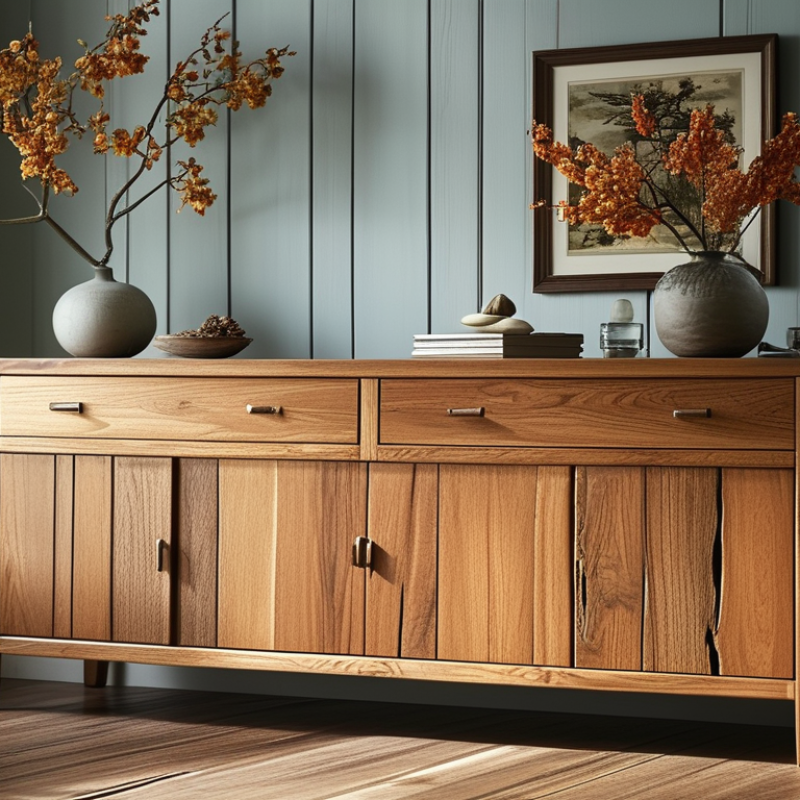
Understanding Humidity and Its Impact on Solid Wood Furniture
Humidity plays a vital role in maintaining the integrity of solid wood furniture. Wood is hygroscopic, meaning it absorbs and releases moisture based on environmental conditions. High humidity can lead to swelling, while low humidity may cause cracking or warping. A stable environment is crucial for preserving furniture appearance and durability.
To keep humidity levels optimal, aim for a range of 40-60%. Using a hygrometer can help monitor these levels. If humidity fluctuates, consider using a humidifier or dehumidifier. It’s also essential to avoid placing furniture near heat sources or vents, as this can create uneven conditions.
Regularly check for signs of damage. Warping, cracking, and finish wear indicate that your furniture is not in a suitable environment. Adjusting indoor humidity can prevent these issues. If you've experienced problems, reflect on how you manage your space's climate. Understanding these factors will improve your furniture's longevity and beauty.
How to Keep Humidity Levels Right for Solid Wood Furniture?
| Humidity Level (%) |
Impact on Furniture |
Recommended Action |
| 30-40 |
Wood may become brittle and prone to cracking. |
Use a humidifier to maintain moisture levels. |
| 40-60 |
Ideal range; furniture remains stable and intact. |
Monitor regularly; maintain current environment. |
| 60-70 |
Potential for warping and mold growth. |
Use a dehumidifier to reduce moisture levels. |
| Above 70 |
Significant risk of damage; severe warping and rot. |
Immediate dehumidification needed; improve ventilation. |
Ideal Humidity Levels for Maintaining Wood Furniture Integrity
Maintaining the integrity of solid wood furniture requires careful attention to humidity levels. Ideally, indoor humidity should be kept between 30% and 50%. This range is crucial. The Wood Database indicates that fluctuations beyond this range can lead to wood movement and damage.
Excessively dry air contributes to cracking and splitting. For instance, levels below 30% can cause wood to shrink. This can create gaps in joints and seams. On the other hand, humidity levels above 50% can lead to swelling and warping. This may also result in mold growth, which is detrimental to both the furniture and your health.
Investing in a hygrometer can provide accurate humidity readings. It is also wise to use humidifiers or dehumidifiers as needed. Regular monitoring ensures that the environment remains stable. Making small adjustments can significantly enhance the longevity of your wooden pieces.
Understanding these needs reflects a commitment to preserving furniture for generations.
Methods to Measure Humidity in Your Home Environment
Measuring humidity in your home is crucial for maintaining solid wood furniture. Too much moisture can warp wooden surfaces. Conversely, low humidity may cause wood to dry out and crack. The ideal indoor humidity level for wood furniture is typically between 30% and 50%. You can gauge your home's humidity with several methods.
A simple way to measure humidity is using a hygrometer. This device is easy to read and widely available. Place it in different rooms to find where humidity levels fluctuate.
Another method involves using the ice test. Fill a glass with ice and water, then wait a few minutes. If condensation forms on the outside, your environment is likely humid. Experiments like this can help you better understand your home's moisture levels.
Some homes may not have proper humidity control. When this happens, damage to furniture can be evident. Repairing wood can be costly and time-consuming. Regularly monitoring humidity can save you from future headaches. Reflect on your home's unique conditions. Experiment with different measuring tools to determine what works best for you.
Tips for Regulating Indoor Humidity Levels Effectively
Maintaining the right humidity levels is crucial for solid wood furniture. High or low humidity can cause wood to warp, crack, or swell. Understanding how to regulate indoor humidity can protect your valuable pieces.
One effective tip is to use a hygrometer. This device measures humidity levels accurately. Ideally, you want to maintain indoor humidity between 30% and 50%. Monitoring this level can help prevent damage to your furniture.
Another tip is to utilize a humidifier or dehumidifier based on your needs. If the air is too dry, a humidifier can add moisture. Conversely, when it's too humid, a dehumidifier will help absorb excess water. Sometimes, just cracking a window can improve air flow.
Be mindful of seasonal changes. In winter, indoor air tends to be dry. Using a humidifier during those months can keep conditions stable. Similarly, in summer, monitor humidity levels closely. Consider using air conditioning, as it can help lower humidity.
Best Practices for Caring for Solid Wood Furniture in Varying Conditions
Maintaining the right humidity levels is crucial for the longevity of solid wood furniture.
Experts recommend keeping humidity between 30% and 50%. This optimal range helps prevent wood from
drying out or absorbing too much moisture. When wood loses moisture, it can warp or crack. Conversely, excessive humidity can lead to
mold growth and structural damage.
In varying conditions, it’s vital to monitor humidity levels closely. In dry climates, consider
using a humidifier to maintain moisture. Conversely, in humid areas, dehumidifiers can help preserve wood integrity. Research shows that
solid wood can shrink by up to 8% when humidity drops below 30%. This shrinkage can cause
gaps between joints, leading to a less appealing appearance.
Regular inspections of furniture are essential. Look for signs of damage, such as cracks or
mold. Immediate action can prevent more extensive issues. A simple fix might involve
adjusting your indoor humidity controls or applying appropriate wood finishes to protect against humidity fluctuations. Remember,
wood is a living material, constantly reacting to its environment.
FAQS
: The optimal humidity level is between 30% and 50%. This range helps maintain wood integrity.
You can use a hygrometer to check humidity levels. An ice test is another option.
High humidity can cause wood to swell and lead to mold growth. Structural damage may also occur.
Low humidity can cause wood to dry out, crack, and warp, creating unattractive gaps.
Use humidifiers in dry climates and dehumidifiers in humid areas. Regular monitoring is essential.
Check for cracks, warping, or signs of mold. Immediate action can help prevent further damage.
Yes, fluctuations can harm your furniture. Consistent monitoring is crucial for maintaining its condition.
Yes, placing furniture near heat sources or vents can create uneven humidity conditions.
Regular checks are important, especially in changing weather conditions. It helps avoid future issues.
Applying appropriate finishes can shield against humidity changes. Regular inspections also help catch issues early.
Conclusion
Maintaining the right humidity levels is crucial for the longevity and integrity of solid wood furniture. High or low humidity can lead to warping, cracking, and other forms of damage. To understand how to maintain humidity levels for solid wood furniture, it's important to aim for an ideal range of 40% to 60%. This balance ensures the wood remains stable and less prone to issues caused by moisture fluctuations.
Measuring humidity in your home can be done with a hygrometer, while indoor humidity can be regulated using humidifiers or dehumidifiers as needed. Additionally, implementing best practices for caring for solid wood furniture, such as avoiding direct sunlight and using coasters, can help preserve its condition across varying environmental conditions. By following these guidelines, you can effectively protect your furniture from the detrimental effects of improper humidity levels.

 Correo Office