When considering office investments, businesses often overlook a crucial factor: durability. The question “What is the lifespan of commercial-grade office furniture” plays a vital role in resource allocation. Studies show that commercial-grade furniture lasts between 7 to 15 years, contingent on the type and usage patterns. The American Society for Interior Designers indicates that high-quality office furniture withstands daily wear and tear better than standard options.
However, this durability is not absolute. Factors include material quality, maintenance practices, and the environment of use. For instance, ergonomic chairs designed for intensive usage may last longer but require regular maintenance checks. Without these, performance can degrade more quickly than expected. On the other hand, some items may still look intact but fail to provide adequate support after a few years.
Thus, businesses must weigh initial costs against long-term value. Selecting higher-quality desks and seating can lower replacement frequency, ultimately saving money. Yet, it is crucial to reflect on how often staff changes or rebrands may require new purchases. As businesses evolve, so do their needs — and this should drive furniture choices.
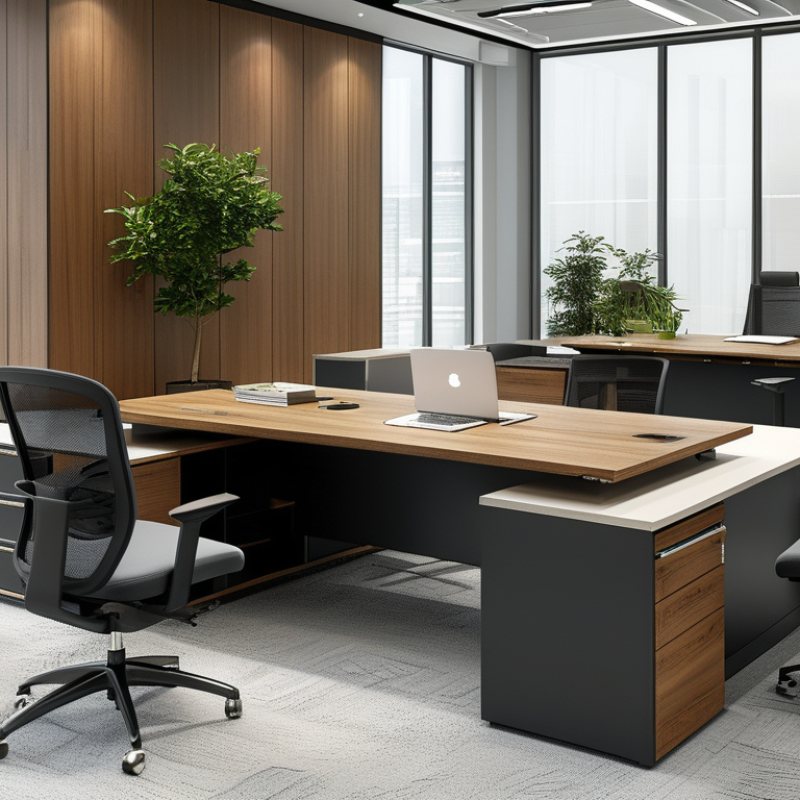
Understanding Commercial Grade Office Furniture Lifespan Basics
When considering commercial grade office furniture, understanding its lifespan is essential. This type of furniture is designed for frequent use, often surviving an average of 5 to 15 years. The lifespan can vary based on materials, usage, and maintenance. Quality materials such as hardwood and metal typically offer more durability than particleboard.
Tips: Regular cleaning and proper maintenance extend furniture life. Ensure to wipe surfaces and tighten screws periodically. Avoid exposing items to extreme temperatures or high humidity.
It’s important to note that not all furniture is created equal. Some pieces may wear faster than others due to daily usage. Chairs, for instance, may need replacing sooner if used extensively in busy offices. Reflect on the wear and tear visible over time. Investing in better quality options upfront can save cost and effort in the long run.
Tips: Evaluate your office layout and traffic flow. High-traffic areas may require sturdier pieces. Observe how employees interact with the furniture to determine what needs upgrading or replacement.
What is the Lifespan of Commercial Grade Office Furniture?
| Furniture Type |
Average Lifespan (Years) |
Maintenance Level |
Typical Warranty (Years) |
| Desks |
7-10 |
Low to Medium |
5 |
| Chairs |
5-10 |
Medium |
3 |
| File Cabinets |
10-15 |
Low |
5 |
| Conference Tables |
10-20 |
Low |
7 |
| Reception Desks |
8-15 |
Medium |
5 |
Factors Influencing the Lifespan of Office Furniture Materials
The lifespan of commercial grade office furniture is significantly impacted by its materials.
Solid wood, for instance, can last over 25 years with proper care. However, particleboard, often used for cost-effective solutions, typically ranges from 5 to 10 years.
A report by the International Interior Design Association noted that 60% of office furniture failures stem from poor material quality.
Factors such as usage frequency and office environment also play a role. High-traffic areas can wear down furniture quickly, while a controlled climate can extend lifespan.
Additionally, changes in workplace design trends can lead to premature replacements. A study from the Steelcase Global Report indicated that businesses often replace office furniture every 7 to 10 years, regardless of its condition.
Moreover, maintenance practices can greatly influence durability. Regular cleaning and inspections can help identify wear and tear early.
However, the reality is that many companies overlook this aspect. Investing in quality materials and routine upkeep could save costs long-term.
While it's tempting to opt for immediate savings, considering the overall lifecycle of office furniture leads to more sustainable choices.
Average Lifespan of Different Types of Office Furniture
The lifespan of commercial grade office furniture varies widely. Typically, office chairs last around
five to seven years. Desks, depending on their material and use, can last longer. A well-constructed wooden desk may survive for a decade or more,
while lower-quality options can require replacement in just a few years.
Cubicles and partitions usually sit somewhere in the middle. They often last between seven and ten years
before showing signs of wear. Many factors can influence their durability, including design, material, and daily use. For instance,
constant movement and reconfiguration can accelerate wear and tear.
It's also essential to consider the value of maintenance. Regular cleaning and minor repairs can extend an item's life.
When office furniture begins to wear down, organizations face decisions. Is it more cost-effective to repair or replace? Each option requires careful thought.
Signs Indicating the Need for Office Furniture Replacement
The lifespan of commercial grade office furniture varies, but certain signs indicate it's time for replacement. As furniture ages, it can lose functionality and aesthetics, impacting workplace productivity. Research shows that ergonomic chairs can last about 5 to 10 years, while desks often require replacement after 7 to 15 years.
One clear sign of needing new furniture is when items become uncomfortable. Worn seats or unstable desks can lead to poor posture issues, affecting employee health. If an employee complains of discomfort or frequent back pain, it's a red flag. Additionally, visual signs such as scratches, stains, or fading also warrant consideration.
Another indicator is maintenance frequency. High upkeep costs, like frequent repairs or refinishing, can justify investing in new furniture. According to industry reports, companies lose productivity due to the neglect of worn furniture. Replacing old items might seem costly at first, but it could lead to better employee morale and efficiency. Reassessing furniture state regularly is crucial for creating a conducive work environment.
Cost-Effectiveness of Long-Term Office Furniture Investment
Investing in commercial grade office furniture can significantly impact your budget over time. Studies reveal that quality furniture can last up to 10-15 years, considerably outlasting cheaper alternatives. While initial costs may seem high, the long-term cost-effectiveness becomes apparent. According to a report from the Office Furniture Research Institute, businesses can save over 30% by investing in durable, ergonomic furniture.
Effective office furniture choices can enhance employee productivity. Ergonomic chairs and desks lead to fewer workplace injuries. This means less absenteeism and higher morale. Investing in reliable furniture not only aids health but also promotes a more efficient work environment. A survey by the National Safety Council indicates that workplaces that prioritize ergonomics see a boost in productivity by up to 20%.
Tip: Regularly evaluate your office furniture’s condition. If chairs begin to sag or desks wobble, consider replacements.
While the upfront costs can be daunting, analyze total cost over time. Higher-quality pieces often reduce replacement frequency.
Tip: Consider leasing options. This can allow access to high-quality furniture without significant upfront expenses.
FAQS
: Commercial grade office furniture typically lasts between 5 to 15 years, depending on materials and usage.
Regular cleaning and maintenance are key. Wipe surfaces and tighten screws regularly.
Chairs used extensively in busy environments may show wear more quickly. Daily use impacts lifespan greatly.
Hardwood and metal typically provide more durability compared to particleboard options.
Evaluate your office layout and employee interactions. Sturdier pieces may be necessary for busy spaces.
Well-constructed wooden desks can last over a decade. Lower-quality options may need replacement sooner.
Cubicles typically last between 7 to 10 years. Usage and design influence their longevity.
Consider the cost-effectiveness of each option. Reflect on the visible wear and functionality.
Yes, exposing furniture to extreme temperatures or high humidity may decrease its life.
Yes, investing in better quality options can save costs and effort over time. Reflect on long-term needs.
Conclusion
The article titled "What is the Lifespan of Commercial Grade Office Furniture?" explores the essential factors that determine the longevity of office furniture in a professional setting. Understanding the basics of commercial-grade furniture, the piece examines the various materials used and how they impact durability. It provides insights into the average lifespan for different types of office furnishings, helping businesses gauge when it might be time for a replacement.
Additionally, the article highlights key signs indicating the need for office furniture replacement, ensuring that companies can maintain a productive and aesthetically pleasing workspace. The discussion also considers the cost-effectiveness of investing in higher-quality furniture for long-term savings. Ultimately, this guide serves as a crucial resource for businesses seeking to understand what is the lifespan of commercial-grade office furniture and make informed decisions on their investments.

 Correo Office