Choosing the right office sofa is essential for creating a cohesive workspace. Understanding how to match office sofas with existing decor is vital. According to a recent report by the International Interior Design Association, a well-designed office can enhance productivity by up to 20%. This highlights that furniture selection isn't just about aesthetics; it's also about functionality.
Office sofas should reflect the overall style of the environment. For instance, a minimalist sofa may clash with a traditional decor theme, leading to distractions and discomfort. The right choice can create a harmonious space that fosters creativity.
However, matching can sometimes feel overwhelming. Many professionals struggle with color coordination and style compatibility. It's important to analyze your current decor pieces before making a decision. Consider the textures, colors, and shapes in your office. A mismatched sofa might not only look out of place but can also impact the mood of the room. By prioritizing thoughtful selection, you'll contribute to a more effective work atmosphere.
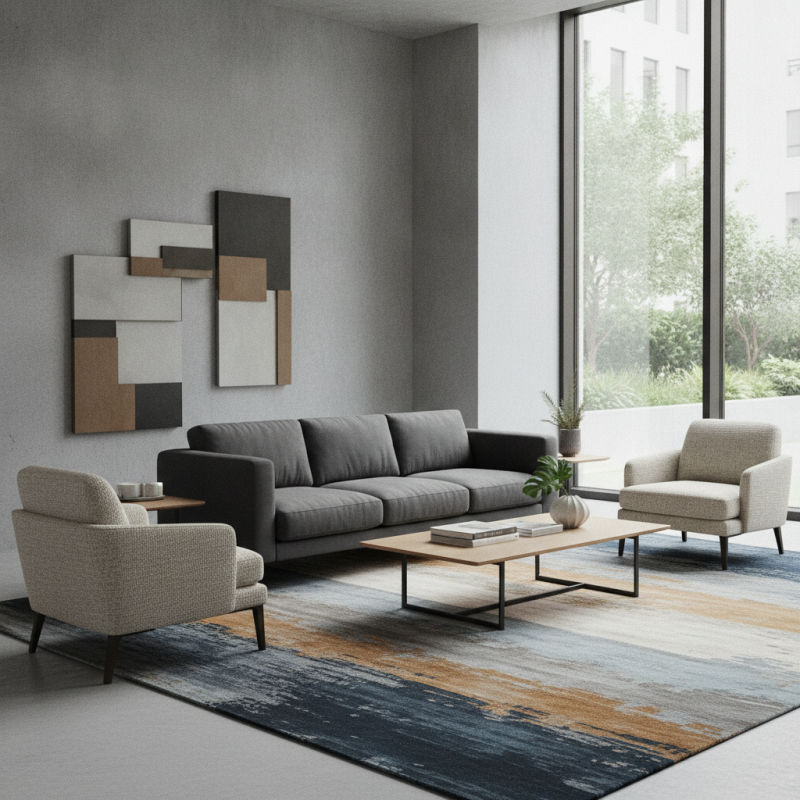
Assessing your existing office decor is crucial before adding new furniture like sofas. Begin by identifying your current color palette. Are your walls painted in a soft gray or a bold blue? Examine any artwork or decorative elements. These pieces often set the tone for your space. Ideally, your office sofa should complement or contrast these features. Take note of how the colors interact with one another.
Next, consider the overall style of your office. Is it modern, traditional, or eclectic? This style will guide your sofa choice. A sleek, minimalist sofa fits well in a contemporary setting. Conversely, a plush, vintage sofa works in a more traditional office. Don’t forget to assess the texture of your existing furnishings. Soft fabrics harmonize with a cozy atmosphere, while sleek leather adds sophistication.
Also, be realistic about your space. An oversized sofa could overwhelm a small office. Test different layouts to visualize how a new sofa might look. Gathering opinions from colleagues can offer new perspectives. Sometimes, the ideal choice isn't immediately apparent. Reflecting on your decor helps create a cohesive and inviting office environment.
Choosing the right sofa style for your office environment is crucial for both aesthetics and functionality. Recent studies show that 58% of employees state that an appealing office design boosts their productivity. Sofas can significantly impact this perception. The ideal sofa should blend seamlessly with your existing decor, while also supporting the comfort needs of your team.
Consider the overarching theme of your office space. If your decor leans toward a modern aesthetic, sleek, minimalist sofas work best. Design reports indicate that ergonomic designs attract 72% of potential clients' attention. However, many businesses overlook this detail. Sofas that are too bulky can clutter a space, diminishing the overall tone. In contrast, lighter, modular options can enhance flexibility and encourage collaboration.
Texture and color play vital roles too. Statistics show that 40% of employees feel happier in spaces with pops of color. Pairing neutral sofas with vibrant cushions can create a balanced look. Yet, avoid mixing too many patterns. It may lead to visual chaos, which could distract employees. Always aim for a cohesive feel to maintain focus and comfort.
Choosing the right materials and textures for office sofas can greatly enhance comfort and aesthetics. Fabric selection is key. Soft, breathable materials like linen or cotton promote relaxation during long work hours. Leather offers a sleek look and is easy to clean, but can feel cold and stiff at times. Balancing these options is important.
Textures play a significant role too. A woven or ribbed fabric can add depth to your decor. Consider mixing smooth leathers with plush fabrics for contrast. This combination not only feels inviting but also creates visual interest. Remember to reflect on your current decor and how these materials will interact.
Colors should not be overlooked. Neutral tones provide flexibility, while bold hues can energize a workspace. However, too many colors can create chaos. Aim for harmony. Take some time to experiment with swatches and comfort levels. Understanding how texture influences mood can lead to better choices and a more cohesive office environment.
When selecting accessories to complement your office sofa, consider color and texture. Use pillows that echo your existing color palette. A mix of materials adds depth and interest. Textured fabrics can contrast smoothly with a leather sofa, creating a visually appealing setup.
Tips: Choose pillows in different shapes. Round cushions soften angles. Layer fabrics like cotton and linen for a cozy touch. Don't shy away from varying sizes, as they can create a dynamic look. A knit throw can add warmth without overwhelming the design.
Art and decorative items are key. Hang artwork that resonates with your team's vision. Incorporate small plants for a splash of life. They uplift spirits while purifying the air. Use a sleek coffee table book for added personality.
Remember, balance is essential. Too many items can clutter the space. Aim for a clean, open feel. Reflect on your choices often; adjust as needed to ensure the decor remains inviting and practical.
| Accessory Type | Description | Color Options | Suggested Material | Price Range |
|---|---|---|---|---|
| Throw Pillows | Add comfort and color to your sofa. | Blue, Grey, Cream | Cotton, Velvet | $20 - $50 |
| Coffee Table | A functional piece that ties the room together. | Brown, Black, White | Wood, Glass | $150 - $400 |
| Rug | Defines the space and adds warmth. | Beige, Gray, Patterned | Wool, Synthetic | $100 - $300 |
| Accent Chair | Provides additional seating with style. | Navy, Gold, Red | Leather, Fabric | $200 - $600 |
| Wall Art | Enhances the decor and adds personality. | Multicolor, Monochrome | Canvas, Framed | $50 - $150 |
Creating an effective office layout requires careful planning. An optimal flow enhances functionality and boosts productivity. According to a recent industry survey, 70% of employees believe workspace design impacts their performance. Arranging furniture wisely can alleviate clutter and promote ease of movement.
Consider the path employees take. Ensure clear walkways between desks and common areas. Utilize furniture to create zones. For instance, sofas can define a relaxation area, while desks can support focused work. A well-placed sofa encourages informal meetings, creating a comfortable setting for collaboration.
Tip: Use modular furniture to adjust quickly to changing needs. This flexibility allows for personal creative touches without compromising flow.
Be mindful of noise levels. A serene environment aids concentration. Position sofas away from high-traffic zones to minimize distractions. Acoustic panels can enhance sound absorption, creating a peaceful workspace.
Tip: Regularly solicit feedback on the office layout. Understand what works and what doesn’t. This adaptive process can lead to significant improvements in workplace satisfaction.
: Start by identifying your color palette and existing artwork. Evaluate how these elements interact with one another.
Consider your office style—modern, traditional, or eclectic. Style dictates the type of sofa that fits best.
Be realistic about space. An oversized sofa may overwhelm a small area. Test different layouts for a better fit.
Select pillows that match your color scheme. Mix materials for depth, and vary shapes and sizes for visual interest.
Too many items can clutter your space. Aim for a clean and open feel, adjusting items as needed to maintain harmony.
Plan for optimal flow and clear walkways. Use furniture to create defined areas and enhance movement throughout the office.
Position sofas away from high-traffic zones to reduce distractions. Consider acoustic panels for better sound absorption.
Regularly solicit employee feedback. Understanding their opinions can lead to improved satisfaction and functionality.
Small plants add life to the space and purify the air. They can elevate mood and enhance the office environment.
A well-designed workspace can boost productivity. Many employees feel that layout significantly affects their overall work experience.
When considering "How to match office sofas with existing decor," it's essential to first assess your current office decor and color palette. This evaluation helps in selecting a sofa that harmonizes with your existing furniture and overall aesthetic. Next, choosing the right sofa style tailored to your office environment is crucial; whether modern, traditional, or eclectic, the sofa should reflect the desired atmosphere.
Additionally, focus on materials and textures that enhance both comfort and visual appeal. Incorporating accessories such as cushions or throws can further complement the sofa and tie the room together. Finally, arranging your office layout thoughtfully ensures optimal flow and functionality, making the space not only visually pleasing but also practical for daily use. Through these steps, you can effectively create a cohesive look that elevates your office environment.

Correo Office