How to Measure Your Room for a Large Conference Table?

Time:2026-05-05 Author:Charlotte
0%

When planning to furnish your office space, knowing how to measure your room for a large conference table is crucial. A well-measured space enhances functionality and aesthetics. An adequate layout ensures that team collaboration can flourish within your workplace.

Consider the current room layout. Notice any obstacles like doors, windows, or built-in furniture. These elements impact your measurement and positioning. For instance, leaving space for movement around the table is essential. It not only promotes comfort but also safety during meetings.

Keep in mind that measuring can be tricky. It’s easy to overlook small details. Mistakes can lead to poor furniture choices and wasted time. By applying careful measurement techniques, you create an environment conducive to productivity. Always remember to double-check your measurements to avoid any costly errors. Adjusting your approach can make all the difference in achieving the ideal conference room setup.
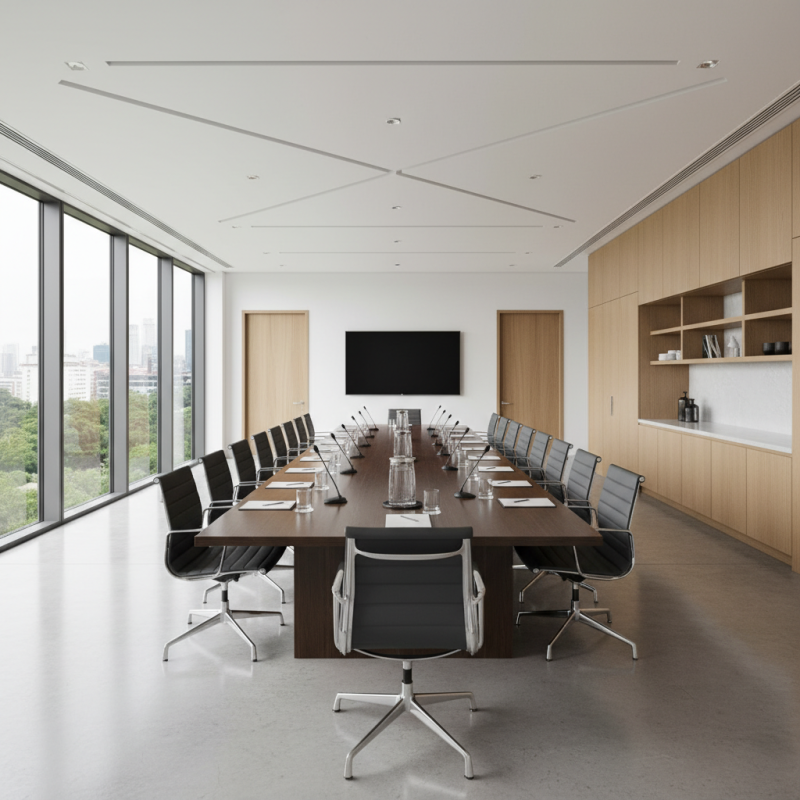
How to Measure Your Room for a Large Conference Table?

Determining the Purpose and Use of the Conference Table

When determining the purpose of a conference table, consider the types of meetings you will hold. Will you have small discussions or larger presentations? The size and shape of your table can significantly impact interaction among participants. A large rectangular table may work well for formal meetings, while a round table fosters open dialogue. Think about how many people will regularly attend these meetings. This number helps in choosing the right table size.

Consider the functionalities you need in your conference room. Are you planning to host video conferences? If so, ensure there’s adequate space for equipment like cameras and screens. Having electrical outlets is crucial for powering laptops and other devices. If you envision collaborative brainstorming sessions, an open layout may be more effective than a rigid, formal arrangement.

Don’t overlook the aesthetic appeal of the table and its surroundings. The design should align with your company’s branding. A well-chosen table enhances the room's atmosphere. However, be mindful that aesthetics alone shouldn’t dictate your decision. Prioritize functionality first. Reflect on both aspects to ensure you make a well-rounded choice for your conference space. Consider how often the table will be used and ensure it meets both your practical and aesthetic needs.

Assessing the Available Space in Your Room

Measuring the available space for a large conference table is crucial for effective room planning. Begin by considering the room's dimensions. Use a tape measure to determine the length and width. Take note of any architectural features, like windows and doors, that may affect your setup. A well-thought-out layout can enhance both functionality and aesthetic appeal.

Think about the flow of movement. Ensure there's enough room around the table for chairs and people to move freely. Aim for at least three feet of clearance on all sides. This can feel less spacious than anticipated, especially if the room is not large. Improper spacing can lead to discomfort during meetings.

Visualize the arrangement. Sketch your layout on paper or use online tools. This practice can make a difference in how everything fits together. A table that seems to fit might actually cramp the space. Check back on your floor plan once you think it’s done. Room measurements are often misleading. When in doubt, a second opinion can guide you to the right decision.

Measuring Room Dimensions Accurately

Measuring room dimensions accurately is crucial for fitting a large conference table. Start by gathering the right tools: a tape measure, a notepad, and a pen. Measure the length and width of the room. Take measurements from multiple points; walls may not be perfectly straight. Record each measurement clearly to avoid confusion later. Keep in mind that doorways and windows can affect the available space.

When planning your layout, consider the distance between the table and walls. You need enough clearance for chairs and movement. A good rule of thumb is to leave at least three feet between the table and walls. This ensures everyone can navigate comfortably.

A helpful tip is to visualize the space. Tape out the dimensions of the table on the floor. This gives a real sense of how it fits in the room. Make sure to account for other furniture, like presentation equipment. If the space feels cramped, reconsider your table size. A slightly smaller table could create a more inviting atmosphere.

Room Dimensions and Suitable Conference Table Sizes

This chart shows the maximum suitable conference table sizes based on different room dimensions. As room size increases, the allowed table size also increases, allowing for more attendees and better space management.

Considering Room Layout and Flow for Placement

When arranging a large conference table, consider how the room’s layout and flow will impact usability. Start by measuring the dimensions of the room. Take note of windows, doors, and other fixtures. Aim for a layout that allows for easy movement. This can prevent bottlenecks during meetings.

Think about the natural flow of traffic in the room. Place the conference table away from doorways to avoid distractions. Ensure that chairs can be pulled out easily without obstruction. This promotes a comfortable environment. It’s also essential to factor in space for technology, like projectors or screens.

Visualize the arrangement before making any changes. Sometimes, what looks good on paper might not work in reality. Test different configurations to see what feels right. Reflect on how participants move within the space. Recognizing potential issues early can save time later. Designing a functional layout ensures everyone can engage effectively.

Evaluating Additional Furniture and Equipment Needs

When considering a large conference table, evaluating your additional furniture and equipment needs is essential. Start by identifying the primary function of your space. Will it be used for brainstorming sessions, formal presentations, or collaborative workshops? Each purpose can require different setups.

Next, think about seating arrangements. The table size will dictate how many chairs you can place around it. Ensure there’s enough room for comfortable movement. Consider side tables for notes or drinks. You might want to add a whiteboard or projector equipment. These additions can aid clarity during meetings.

Finally, be aware of your room's acoustics and lighting. Poor acoustics can hinder communication. Natural light can enhance focus but may create glare on screens. Reflect on how these elements blend into your space. Balancing aesthetics with functionality is key. Remember, it’s not just about fitting furniture; it’s about creating a conducive environment for collaboration.

How to Measure Your Room for a Large Conference Table? - Evaluating Additional Furniture and Equipment Needs

Dimension Measurement (in feet) Additional Furniture Equipment Needs
Room Length 20 Chairs (10) Projector, Conference Phone
Room Width 15 Side Tables Whiteboard, TV Screen
Table Size 10 x 4 Storage Cabinets Laptops, Teleconferencing Equipment
Height of Room 12 Shelving Units Sound System
Available Floor Space 240 Lounge Area Network Devices

FAQS

: What factors should I consider when choosing a conference table?

: Consider the types of meetings you'll hold. Think about size, shape, and functionality.

How does the table shape affect meetings?

A large rectangular table suits formal meetings. A round table encourages open dialogue and interaction.

How do I assess available space for a conference table?

Measure the room dimensions carefully. Check for windows and doors that may affect layout.

What is the recommended clearance around a conference table?

Aim for at least three feet of clearance on all sides for comfortable movement.

Should aesthetics be prioritized over functionality when choosing a table?

Functionality should come first. Aesthetics can enhance the atmosphere but shouldn't dictate your choice.

How can I visualize the table arrangement before purchasing?

Sketch your layout on paper or use online tools. Visualizing helps avoid cramped spaces.

What additional furniture might be needed for a conference table?

Consider side tables, whiteboards, or projector equipment. These enhance functionality during meetings.

How do acoustics and lighting affect a conference room?

Poor acoustics hinder communication. Natural light can improve focus but may cause glare on screens.

Why is movement flow important in a conference room setup?

Good movement flow prevents discomfort during meetings. Space should allow for easy interaction and movement.

What is a common mistake when measuring for a conference table?

Room measurements can be misleading. Always double-check and consider seeking a second opinion.

Conclusion

When considering how to measure your room for a large conference table, it is essential to start by determining the purpose and use of the table. Understanding the specific needs of your meetings will help guide the selection process. Next, assess the available space in your room by noting any existing furniture and obstructions that may affect placement.

Accurate measurement of room dimensions comes next; be sure to consider not just the length and width, but also the height of the space to ensure that your chosen table fits properly. Additionally, consider the room layout and flow to facilitate movement around the table, which can enhance the overall functionality of the space. Finally, evaluate any additional furniture or equipment needed to support the table's use, ensuring a cohesive and productive meeting environment.

Charlotte

Charlotte

Charlotte is a seasoned marketing professional with a deep understanding of the company's portfolio and a passion for elevating its presence in the market. With a keen eye for detail and a commitment to excellence, she ensures that our professional blog is regularly updated with insightful articles......