A well-organized filing cabinet is essential for any efficient workspace. When you learn how to organize a filing cabinet for maximum efficiency, you create a system that saves you time and reduces stress. Disorganized files can lead to frustration. Searching for important documents can waste valuable minutes, or even hours. This inefficiency not only hampers productivity but can also affect your overall work experience.
To tackle this challenge, it’s important to adopt a systematic approach. For instance, categorizing documents by type or date can facilitate quicker access. Use clear labels to identify sections, so you don’t waste time looking. Yet, some people still struggle with clutter, realizing they have too many unnecessary papers. Reflecting on your filing habits is crucial. Regularly revisit your system, and consider what works and what doesn’t.
By implementing effective filing strategies, you also gain a sense of control over your workspace. An organized filing cabinet not only boosts efficiency but also promotes a clearer mindset. Embrace the notion that tidiness can enhance your performance and satisfaction at work. Finding the right balance in organization is key—aim for a system that serves your unique needs.
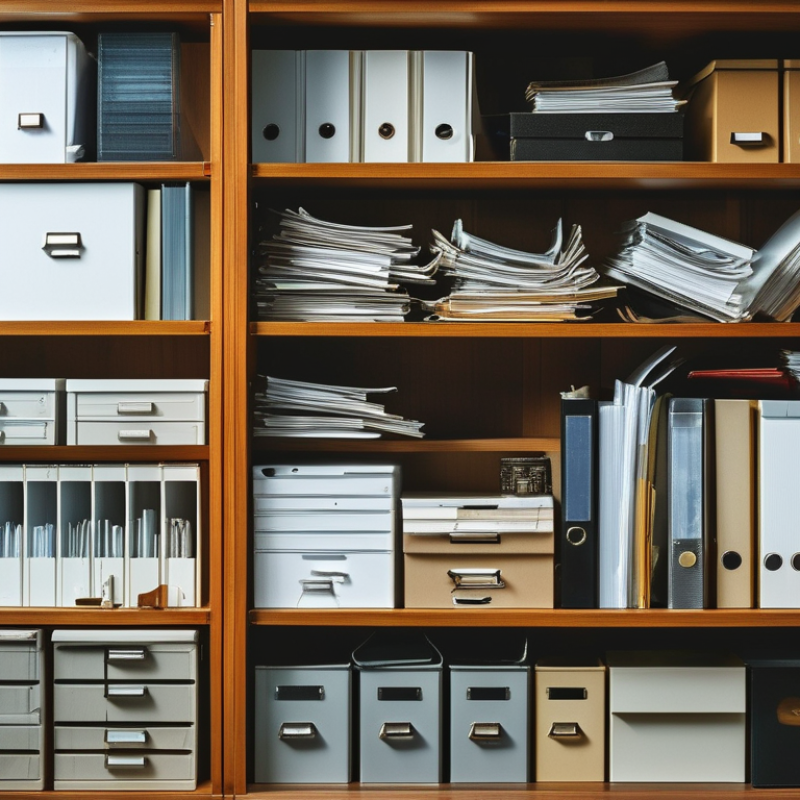
An organized filing system can significantly enhance workplace efficiency. Research shows that employees spend about 19% of their workweek looking for documents. This inefficiency not only wastes time but also reduces overall productivity. A well-structured filing cabinet allows for quicker retrieval of information and minimizes distractions, enabling staff to focus on their core tasks.
Consider the benefits of incorporating labeled folders and clear categories. A survey stated that companies with organized filing systems can save around 30% of employee time on administrative tasks. Implementing color-coded labels can also help team members quickly identify and access files. The physical space should be decluttered to create a distraction-free work environment.
Here are some tips for improvement:
Poor document organization can have serious consequences. Studies reveal that employees waste an average of 2.5 hours each week searching for misplaced documents. For a company with ten employees, this adds up to nearly 130 hours annually. That time could be better spent on productive tasks.
Moreover, according to a report by IDC, unproductive employees cost U.S. businesses roughly $19 million every year. This statistic highlights the critical importance of efficient file management. It’s not just about keeping things tidy; it’s about the overall effectiveness of a team. When files are organized, employees are more focused and less stressed. They can find what they need quickly, streamlining decisions and enhancing productivity.
The consequences of disorganization extend beyond wasted time. A chaotic filing system can lead to missed opportunities and costly mistakes. A survey found that 70% of businesses felt disorganization impacted their bottom line. Employees often feel overwhelmed in cluttered workspaces, which can hinder creativity and morale.
Creating an orderly filing cabinet isn’t just a neatness tactic; it’s a strategic move toward better efficiency and success.
Organizing your filing cabinet can significantly enhance workplace efficiency. A recent study from the International Association of Administrative Professionals reveals that professionals spend up to two hours each day searching for documents. This lost time directly impacts productivity and can lead to missed deadlines. Thus, setting up an organized filing system is crucial.
When arranging your cabinet, consider a logical structure. Use clear labels for each section. Group similar documents together. Research shows that using colors can improve retrieval speed. For instance, color-coding invoices and contracts may reduce search time by over 30%. Also, consider digital alternatives. Transitioning to a paperless system could save space and minimize clutter. Ensure that your digital files mirror your physical organization for consistency.
In reality, achieving perfect organization is challenging. Over time, clutter can creep back in. Regular audits of your filing system are essential. Schedule these reviews quarterly. Ask yourself if the current system still meets your needs. This proactive approach can reveal gaps or outdated practices that require adjustment. By committing to a structured and reflective filing process, you create a foundation for sustained efficiency.
Digital filing solutions have transformed how we manage documents. Unlike traditional methods that rely on physical cabinets, digital systems offer unprecedented efficiency. They save space and minimize clutter, allowing for quick retrieval of important files. Imagine no longer hunting through stacks of paper to find a single document. Instead, a simple search can yield results instantly.
However, transitioning to digital filing is not without its challenges. Many individuals resist because they are comfortable with familiar methods. They worry about security and loss of personal connection with physical documents. Digital systems can also become disorganized if not regularly maintained. Files may accumulate without proper tagging or categorizing, leading to a digital mess that’s hard to navigate.
Despite these concerns, the advantages of digital filing cannot be ignored. The ability to access files from multiple devices enhances flexibility. Remote work becomes seamless, which is essential in today’s world. When implemented carefully, digital solutions can complement traditional methods rather than replace them entirely, striking a balance while improving overall efficiency.
Organizing your filing cabinet can significantly enhance employee productivity. A study by the National Association of Professional Organizers found that efficient filing systems can improve work efficiency by up to 30%. When documents are easily accessible, employees spend less time searching for information. This reduction in time leads to better focus and increased output.
Research by the American Management Association states that employees waste up to 20% of their work hours on unproductive tasks. Disorganized filing systems contribute to this inefficiency. By implementing a structured approach to filing, companies can minimize distractions. Employees can streamline processes and make quicker, informed decisions.
Moreover, an organized filing system promotes a culture of accountability. Employees are more likely to take ownership when they know where to find important documents. However, not all companies invest in effective organization. This lack of commitment can hinder overall productivity and employee morale. Rethinking your approach to filing may reveal areas needing improvement.
| Department | Average Time Spent Searching for Documents (Hours/Week) | Average Productivity Increase (%) | Employee Satisfaction Score (Out of 10) |
|---|---|---|---|
| Sales | 5 | 30 | 8 |
| HR | 4 | 25 | 9 |
| Finance | 3 | 20 | 7 |
| IT | 6 | 35 | 8.5 |
| Marketing | 5.5 | 28 | 8 |
: An organized filing cabinet can save time. Professionals may spend two hours daily searching for documents. This lost time impacts productivity.
Use a logical structure with clear labels. Group similar documents together for better organization.
Color-coding can improve retrieval speed. It may reduce search time by over 30% for similar documents.
Yes, consider transitioning to a paperless system. Digital files can save space and reduce physical clutter.
Regular audits are essential. Schedule reviews quarterly to ensure your system still meets current needs.
An organized system promotes accountability. Employees are more responsible when they can find important documents easily.
Neglect can hinder productivity and employee morale. Disorganization leads to wasted time and decreased efficiency.
Perfect organization is challenging. Clutter may return over time, requiring ongoing commitment to maintain order.
Easy access to documents allows employees to focus better. Less time wasted translates to increased output.
Companies may need to rethink their filing strategies. Identifying gaps in current systems could lead to improvements.
Organizing your filing cabinet is crucial for enhancing workplace efficiency. An organized filing system can significantly reduce time wasted on searching for documents, with statistics indicating that employees can lose hours weekly due to poor organization. By implementing best practices for setting up an efficient filing cabinet, such as categorizing files logically and labeling them clearly, businesses can streamline their operations.
Additionally, the impact of digital filing solutions complements traditional methods, offering quick access to documents and minimizing physical clutter. Ultimately, learning how to organize a filing cabinet for maximum efficiency not only promotes better organization but also improves overall employee productivity metrics, encouraging a more focused and effective work environment.

Correo Office