In today's evolving workplace landscape, sustainability is key. Many organizations seek to enhance their environmental responsibility. One area of focus is office furniture. "What are the latest trends in sustainable office furniture?" This question resonates with industry leaders.
Expert Sarah Johnson, a sustainability consultant, asserts, "Eco-friendly materials are not just a trend; they're a necessity." Today, companies consider sourcing furniture made from reclaimed wood and recycled materials. Biophilic design is also gaining traction, integrating natural elements into office spaces. This approach enhances employee well-being while promoting sustainability.
However, challenges remain. Many businesses grapple with balancing cost and sustainability. While investing in eco-friendly furniture can be expensive upfront, long-term benefits often outweigh initial costs. Understanding these trends is crucial for businesses looking to lead in sustainability while creating effective work environments. As companies navigate these choices, the importance of informed, thoughtful decisions cannot be overstated.
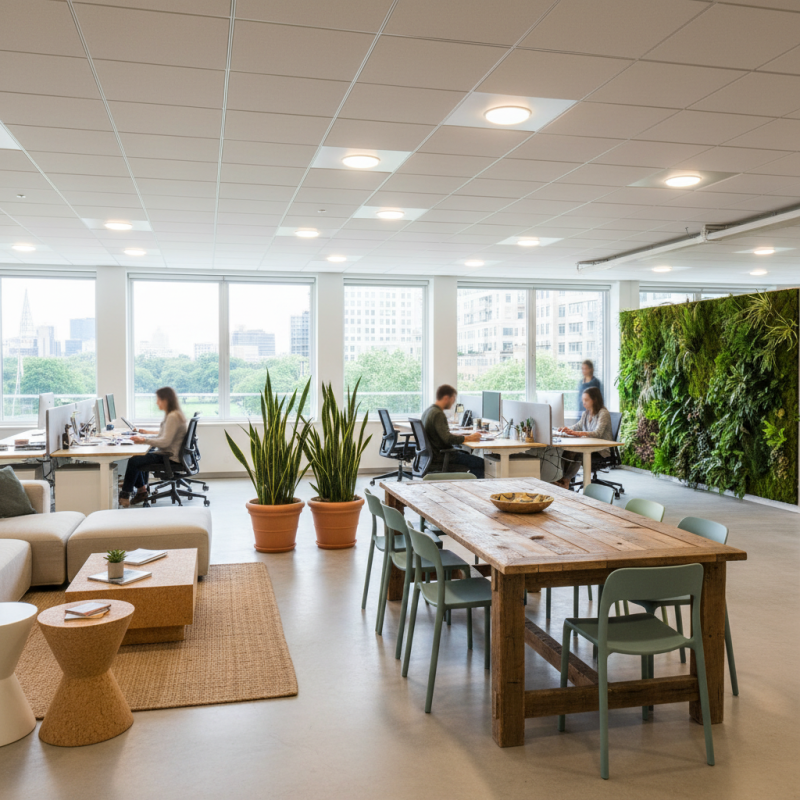
Emerging Materials: Biodegradable and Recycled Options in Office Furniture
As companies embrace sustainability, the choice of materials in office furniture is evolving. Biodegradable and recycled options are at the forefront of this change. A recent report by the Global Sustainability Institute states that over 50% of businesses are now prioritizing eco-friendly furnishings. This trend reflects a broader shift towards responsible consumption.
Biodegradable materials, such as those derived from plants, are gaining traction. They break down naturally, reducing landfill waste. Recycled options, particularly those made from post-consumer plastics and reclaimed wood, are equally important. Industry data highlights that using recycled materials can cut down carbon footprints by at least 30%. However, some manufacturers still struggle to balance durability and sustainability, which raises concerns about long-term usability.
Incorporating these materials into office design is not without challenges. Cost and availability often hinder widespread adoption. Additionally, some biodegradable products may not last as long as traditional options, leading to potential waste. The conversation about sustainable office furniture should continue, focusing on innovative solutions that address these shortcomings. The industry must learn from these experiences to achieve a truly sustainable future.
Eco-Friendly Manufacturing Processes for Sustainable Office Solutions
Eco-friendly manufacturing processes are crucial for creating sustainable office furniture. According to a report by the Global Sustainable Furniture Council, about 80% of consumers prefer eco-friendly products. Sustainable practices in manufacturing not only reduce waste but also minimize the carbon footprint. Techniques like using renewable materials and adopting zero-waste production can significantly lower environmental impact.
Investing in sustainable office solutions involves choosing furniture made from recycled or reclaimed materials. For example, bamboo and certified wood are popular choices. These materials have a lower ecological impact compared to traditional hardwoods. Additionally, many companies are embracing local sourcing to cut down transportation emissions. This shift not only supports local economies but also enhances product transparency.
Tips: Look for furniture certified by recognized environmental standards. Check if the manufacturers are transparent about their sourcing and production processes. Make small adjustments, like opting for durable materials, which may lead to fewer replacements in the long run. These practices encourage a thoughtful approach toward sustainability in office environments.
Modular and Flexible Designs: Adapting Workspaces for Future Needs
Modular and flexible designs are reshaping office environments. As businesses adapt to remote work trends, these solutions provide versatility. A study by the Global Workplace Analytics found that 56% of companies are considering hybrid work models. This pushes the need for adaptable office furniture that can easily transform as needs change.
These designs allow offices to reconfigure spaces quickly. For example, movable partitions and modular desks offer instant customization. The research indicates that 70% of employees prefer collaborative workspaces. Such trends require furniture that supports teamwork and focus equally. Therefore, the right combination of flexibility and functionality is vital.
While innovations are promising, challenges remain. High-quality modular furniture can be costly. An industry report noted that only 30% of companies have fully embraced sustainable office furniture solutions. This gap highlights the potential for growth in flexible, eco-friendly designs. Balancing cost, sustainability, and flexibility will require careful consideration for many businesses in the coming years.
Energy Efficiency: Furniture that Reduces Office Carbon Footprint
As businesses increasingly prioritize sustainability, energy-efficient furniture is emerging as a key trend. This type of furniture plays a significant role in reducing an office’s carbon footprint. According to the Global Sustainability Report 2022, energy-efficient practices can reduce operational costs by up to 30%. This factor attracts organizations aiming for fiscal responsibility.
Energy-efficient office furniture often includes materials that minimize energy consumption. For instance, desks made from reclaimed wood or recycled materials require less energy during production. Researchers estimate that using recycled materials can cut energy use by 30–50% compared to virgin resources. It is a tangible step toward creating a greener office environment.
While transition to energy-efficient furniture can be beneficial, challenges remain. Some companies struggle to find reliable suppliers with a full range of eco-friendly options. Additionally, upfront costs can be higher, although long-term savings often outweigh the initial investment. The Office Furniture Sustainability Report highlights that only 25% of office spaces currently prioritize energy-efficient custom solutions. More awareness is needed to encourage broader adoption of these practices within the industry.
Health and Wellbeing: Sustainability’s Impact on Workplace Wellness
Sustainability plays a crucial role in enhancing workplace wellness. Eco-friendly office furniture can significantly impact health and productivity. Natural materials, like bamboo and recycled wood, create a healthier environment. Using non-toxic finishes reduces harmful emissions. The design of furniture also matters. Ergonomic solutions are essential for encouraging better posture. Comfort directly influences workers' well-being and efficiency.
Tips: Choose adjustable desks. This allows employees to switch between sitting and standing. Incorporate plants into spaces. They improve air quality and reduce stress. Ensure that furniture choices align with sustainable practices. This promotes a culture of health.
Be aware of the potential downsides. Sometimes, sustainable options can be more expensive. The durability might not match traditional materials. Finding a balance between cost and sustainability is crucial. Regular evaluations of your furniture choices can highlight areas for improvement. A reflective approach ensures that your office remains a healthy place.
FAQS
: Companies are using biodegradable materials and recycled options, like post-consumer plastics and reclaimed wood.
They break down naturally and reduce landfill waste, contributing to sustainability efforts.
Using recycled materials can reduce carbon footprints by at least 30%.
Yes, cost and availability often hinder widespread adoption of these eco-friendly options.
Some sustainable products may not last as long, raising concerns about their long-term usability.
Eco-friendly furniture improves health and productivity by creating a healthier environment.
Opt for adjustable desks and incorporate plants to enhance air quality and boost morale.
Yes, they can sometimes be more expensive and may lack durability compared to conventional options.
Regular evaluations can highlight areas for improvement, fostering a healthy workplace.
It helps balance cost, sustainability, and employee wellness effectively.
Conclusion
As workplaces evolve towards greater sustainability, what are the latest trends in sustainable office furniture? One key development is the use of emerging materials, such as biodegradable and recycled options, which minimize environmental impact. Additionally, eco-friendly manufacturing processes are gaining traction, ensuring that furniture production aligns with sustainable practices.
Another significant trend focuses on modular and flexible designs, allowing offices to adapt to changing needs while maximizing space efficiency. Furthermore, energy-efficient furniture contributes to reducing the overall carbon footprint of office environments. Lastly, there is a growing emphasis on health and well-being, with sustainable office furniture positively impacting workplace wellness by enhancing air quality and promoting a healthier working atmosphere. Together, these trends are shaping a more sustainable future for office environments.

 Correo Office