Choosing the right upholstery for office seating is critical for both comfort and style. According to industry expert Sarah Williams, "The right upholstery can transform an ordinary office into an inviting environment." When selecting upholstery, consider durability, texture, and color. Office seating experiences high traffic. The fabric must withstand daily use while maintaining its appearance.
Moreover, the choice of upholstery affects employee productivity and mood. A vibrant color or soft texture can enhance the workplace atmosphere. This brings us back to the question of how to select the right upholstery for office seating. Remember, fabric choices should align with your office's branding and culture too. It is easy to overlook these details amid project deadlines and meetings.
Lastly, it's essential to assess both function and aesthetic. Sometimes, the most beautiful fabrics may not be practical for the office setting. Reflect on your choices. Finding the perfect balance between style and durability requires careful thought. Take the time to research, gather samples, and consult professionals in the industry.
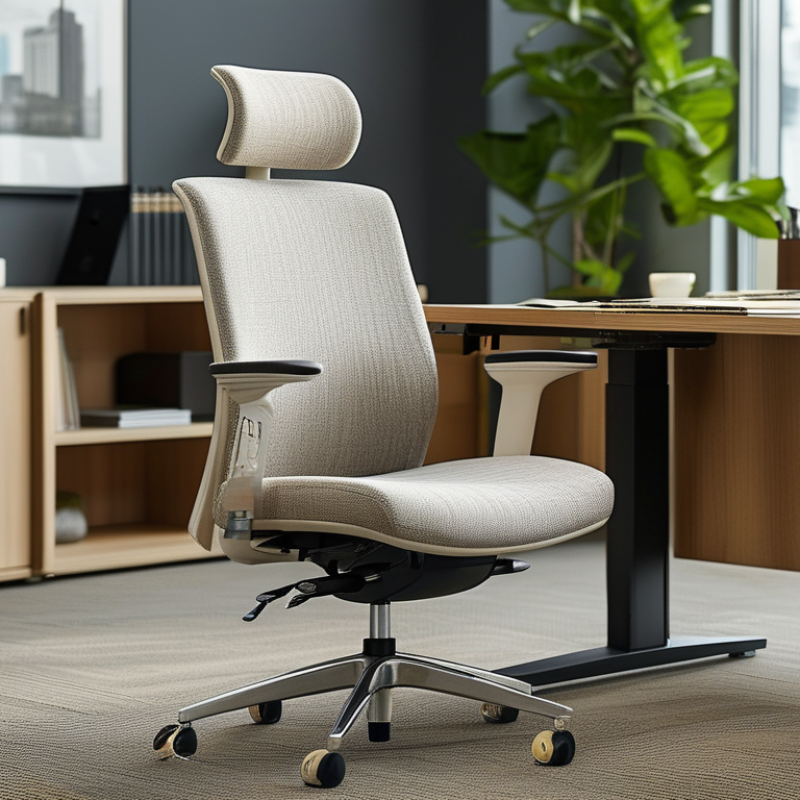
Factors to Consider When Selecting Upholstery for Office Seating
Choosing the right upholstery for office seating involves several key factors. One important aspect is durability. Office furniture experiences daily use, so the fabric must withstand wear and tear. Consider materials like polyester or nylon for long-lasting options.
Another factor is comfort. Employees spend hours seated, so upholstery must provide adequate support. Look for breathable fabrics that enhance airflow. This can help maintain comfort throughout the day.
Lastly, think about aesthetics. The upholstery should align with your office's overall design. Choose colors and patterns that reflect your brand's identity. A well-chosen fabric can enhance the workspace environment and boost morale.
When selecting upholstery, test materials in person. Assess their texture and weight. It’s essential to ensure they feel right. The choice of upholstery can significantly affect the ambiance of your office. Take your time to make a thoughtful decision.
10 Tips to Choose the Right Upholstery for Office Seating
Types of Upholstery Materials and Their Suitability for Offices
When selecting upholstery materials for office seating, consider the types available and their suitability. Common materials include leather, fabric, and vinyl. Each has distinct advantages and drawbacks.
Leather is durable and sophisticated, yet it can be expensive and may require more maintenance. A 2022 report from the Textile World noted that leather upholstery retains its value longer than fabric.
Fabric upholstery offers a variety of colors and textures. It is often less costly than leather, making it a popular choice. However, it may not hold up as well in high-traffic areas. According to a study by the American Society of Interior Designers, fabric chairs showed more wear after two years compared to their leather counterparts.
For offices needing versatility, consider blended materials. They combine the benefits of different fabrics and can provide both comfort and style.
Vinyl is an emerging favorite. It's easy to clean and maintain, making it practical for busy environments. However, some users find it less comfortable over extended periods. A recent survey revealed that 40% of employees prefer fabric over vinyl for extended seating. This highlights the importance of balancing style, economy, and employee comfort when making your choice.
Therefore, it’s essential to evaluate each option’s long-term performance and employee satisfaction before making a decision.
Durability and Maintenance: Key Elements in Upholstery Selection
When selecting upholstery for office seating, durability is crucial. A 2021 industry report revealed that office furniture can wear out quickly. Typically, high-quality upholstery can last anywhere from five to ten years with proper care. Choosing durable fabrics reduces replacement costs and maintains a professional appearance. Consider the Martindale test, which measures fabric durability. Fabrics rated at 30,000 rubs or more are often more resilient.
Maintenance also plays a significant role. Offices experience high traffic, leading to stains and wear. Materials like polyester or treated fabrics are easier to clean. They resist stains more effectively than natural fibers like cotton. A study indicated that 30% of upholstery failures are due to inadequate maintenance. This highlights the need for materials that not only look appealing but also endure daily use.
Additionally, the choice of color and pattern can affect maintenance. Darker colors may hide stains but can absorb heat. Lighter colors may show dirt easily but can brighten a space. Finding a balance between aesthetics and functionality is vital. Reflecting on these elements can lead to more informed upholstery choices.
Color and Aesthetics: Creating a Professional Office Environment
Color plays a significant role in creating a professional office environment. Studies indicate that colors can affect mood and productivity. For example, blue hues can foster a sense of calm and focus, while green promotes creativity. When choosing upholstery for office seating, consider how colors align with company values. A cohesive palette enhances the overall aesthetic and can influence employee satisfaction.
Aesthetics also extend to fabric types and textures. Smooth fabrics like leather convey professionalism, while softer textiles may create a relaxed vibe. Reports suggest that comfortable seating can improve employee morale by up to 20%. However, not all materials hold up well under frequent use. Selecting resilient upholstery is critical. Stains, fading, and wear can detract from a polished appearance. Choosing durable fabrics reduces long-term costs associated with replacements.
Employers should balance appearance with functionality. Visiting showrooms and testing out upholstery options can offer valuable insights. Visual aids such as color swatches can help in imagining the overall look. However, it can be easy to overlook practicality in favor of aesthetics. Thus, it is vital to involve employees in these choices. They can provide feedback on comfort and usability, which is often overlooked in decision-making processes.
Comfort and Ergonomics: Enhancing Employee Well-Being Through Upholstery
Choosing the right upholstery for office seating is crucial for employee well-being. Studies show that up to 60% of workers experience discomfort due to inadequate seating. Comfort plays a key role in enhancing productivity. The right upholstery can alleviate pressure points. For instance, breathable fabrics like mesh can improve airflow and reduce heat retention. Such features significantly impact comfort levels throughout the workday.
Ergonomics also matter. The General Services Administration reports that properly designed seating can reduce back pain by 40%. Upholstery materials like memory foam provide support while adapting to individual body shapes. This adaptability helps employees maintain good posture. However, not every fabric fulfills both aesthetic and functional needs. Many companies face challenges selecting sustainable and durable options.
Cost is another factor. While premium materials often offer better support, budget constraints can force compromises. Employees may suffer if the office seating is not prioritized. Striking a balance between comfort, style, and budget can be tough. Ultimately, the goal should be to create a welcoming workspace that promotes health and productivity.
FAQS
: Durability, comfort, and aesthetics are key factors. The fabric must withstand daily use and enhance the workspace.
It's very important. High-quality upholstery can last five to ten years. Options like polyester are more resilient.
Polyester and nylon are recommended for their durability. They can handle wear and tear effectively.
Look for breathable fabrics that enhance airflow. This helps maintain comfort for employees sitting for long periods.
High traffic can lead to stains and wear. Choosing easier-to-clean materials can reduce maintenance issues significantly.
Yes, darker colors may hide stains but can retain heat. Lighter colors brighten spaces but may require more cleaning.
Always test materials in person. Check their texture and weight to ensure they feel right and meet your needs.
Upholstery affects ambiance and employee morale. A well-chosen fabric can create a more inviting and productive work area.
It's essential to balance both. Reflect on how the fabric looks and how it will hold up with daily use.
Many overlook the importance of maintenance. Not all beautiful fabrics are durable or easy to clean, which can lead to issues.
Conclusion
When considering how to select the right upholstery for office seating, several key factors must be taken into account. These include the variety of upholstery materials available and their appropriateness for an office environment. For instance, materials should not only offer durability but also ease of maintenance to withstand the demands of everyday use. Additionally, the color and aesthetic of the upholstery play a crucial role in creating a professional atmosphere that aligns with the company’s branding.
Comfort and ergonomics are equally important, as well-chosen upholstery can significantly enhance employee well-being. By prioritizing these elements, organizations can create a more inviting and functional workspace that promotes productivity and employee satisfaction. Ultimately, selecting the right upholstery involves balancing practicality with aesthetic appeal to ensure a cohesive and comfortable office setting.

 Correo Office